

How to Improve Manufacturing Efficiency: A Practical Framework
Reading Time: 6 minutesMost conversations about manufacturing efficiency start with machines — faster lines, better sensors, predictive maintenance. But talk to any plant manager who has actually tried to move the needle on efficiency, and a different story comes up. The line isn’t the bottleneck. The paperwork is. The approval that sits in someone’s inbox for two days.

7 Internal Apps for Operations Managers You Can Build Without IT Tickets
Reading Time: 11 minutesThere’s a particular kind of frustration that most operations managers know well. Building internal apps for operations managers shouldn’t require a software development team — you need a simple tool to track vendor renewals, route a purchase approval, or let facility teams log maintenance issues without calling someone. But raising an IT ticket means joining

12 Proven Benefits of Citizen Development (With Real Examples)
Reading Time: 8 minutesThe benefits of citizen development include faster app delivery, reduced IT backlog, lower development costs, greater business agility, improved collaboration between IT and business teams, democratised innovation, and higher employee engagement. Organisations that empower citizen developers consistently report shorter time-to-market, stronger alignment between technology and business needs, and measurable gains in operational efficiency. The benefits

Who Is a Citizen Developer? Role, Skills and How Businesses Empower Them in 2026
Reading Time: 11 minutesWho is a citizen developer? A citizen developer is a business user who creates applications using no-code or low-code tools without formal programming skills. They work in operations, HR, finance, marketing, procurement, and field services — and use visual drag-and-drop platforms to build workflow automations, data collection apps, and approval systems for their specific departmental needs.
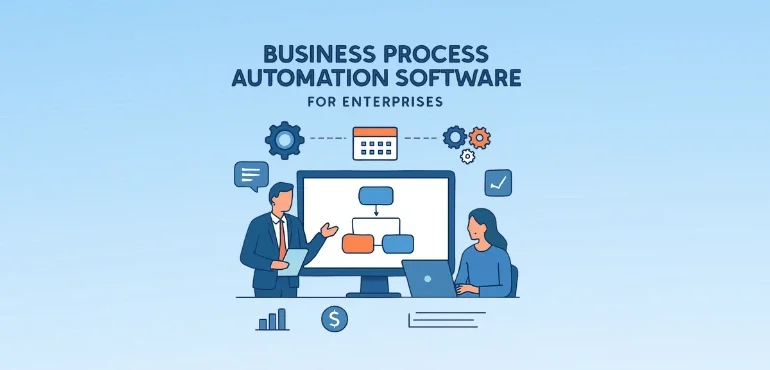
Best Business Process Automation Software for Enterprises: Features, Benefits, and Comparison Guide
Reading Time: 6 minutesEnterprise organizations depend on efficient and standardized processes to maintain operational excellence, improve productivity, and support sustainable growth. Business Process Automation Software for Enterprises enables organizations to automate repetitive workflows, streamline approvals, improve process visibility, and reduce manual effort across departments. By automating critical business operations, enterprises can enhance efficiency, strengthen compliance, and accelerate their

Top 10 No-Code Platforms for Resource Management System in 2026
Reading Time: 16 minutesOff-the-shelf resource management software offers a readily available solution — but one that is frequently over-engineered for needs you do not have and under-configured for the processes that actually matter to your organisation. You pay for features you will never use while working around the limitations of features that do not quite match your resource

Human Resource Management System (HRMS): The Complete 2026 Guide to Features, Functions and Implementation
Reading Time: 11 minutesAn HRMS (Human Resource Management System) is a software platform that integrates and automates core HR functions — including employee records, payroll, attendance, leave management, recruitment, performance, training, and compliance — into a single centralised system. It eliminates manual HR administration and gives HR teams, managers, and employees real-time access to people data and self-service

HR Workflow Automation: The Executive Guide to Automating 9 Core HR Processes in 2026
Reading Time: 18 minutesHR workflow automation is the use of technology to automatically execute, route, and track HR processes — from employee onboarding and leave approvals to performance evaluations and offboarding — without manual coordination at each step. It replaces email chains and spreadsheet tracking with governed, auditable digital workflows that run automatically based on predefined rules, so

What is Finance Workflow Automation?Unlock Sustainable Growth with 17 Examples
Reading Time: 11 minutesFinance workflow automation is the use of technology to automatically execute financial processes — routing invoice approvals, validating expenses, triggering payments, reconciling accounts, and generating compliance reports — based on predefined rules, without manual intervention at each step. It replaces email chains, spreadsheet tracking, and paper-based approvals with governed, auditable digital workflows that run automatically
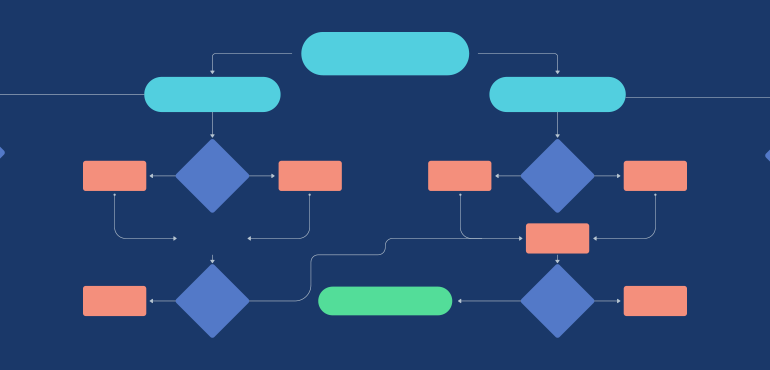
Complete Guide to Approval Process and Workflow: 5 Steps, 8 Examples and How to Automate in 2026
Reading Time: 7 minutesAn approval process and workflow is an automated sequence of steps that routes a request — document, budget, purchase order, or leave request — through defined approvers in a specific order, enforcing rules and capturing decisions at each stage without manual follow-up. It is the operational backbone of governed enterprise operations. Every business runs on
Recent Posts





- Download the App