

What Is Resource Management? Meaning, Process & Examples
Reading Time: 8 minutesResource management is the practice of planning, allocating, and tracking an organisation’s resources — its people, time, budget, equipment, and tools — so the right ones are in the right place at the right time. Done well, it means projects finish on schedule, teams aren’t overloaded, and nothing sits idle. Every team has more work

Digital Transformation in HR: The 2026 Executive Guide to Strategy, Stages and Roadmap
Reading Time: 20 minutesDigital transformation in HR is the strategic adoption of digital tools, platforms, and practices to replace manual HR processes with automated, data-driven, and employee-centric systems — changing not just how HR operates but how it contributes to organisational strategy, culture, and growth. It is not simply digitising paper forms. It is redefining how HR creates

Human Resource Planning: 6 Essential Steps & Examples in 2026
Reading Time: 10 minutesHuman resource planning (HRP) is the process of forecasting an organisation’s future workforce needs and building the hiring, development, and retention plans to meet them. It compares the people and skills a company has today against what it will need next, then closes the gap before it affects performance. Every business goal — entering a
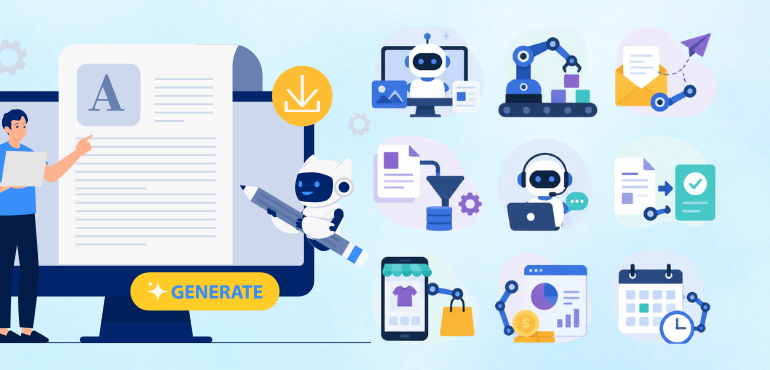
AI Automation Examples: 12 Real-World Use Cases Across Industries 2026
Reading Time: 5 minutesAI automation covers a wide range of everyday business tasks — far more than the headline-grabbing autonomous agents. Most of the value organizations capture today comes from applying AI to high-volume, repetitive work: reading documents, screening applications, routing requests, checking compliance. This guide walks through 12 practical AI automation examples, organized by business function, with

What is an Application Development Platform? Unlock The Business Agility
Reading Time: 6 minutesEvery business runs on software — but most of that software still takes too long and costs too much to build. Application development platforms exist to change that equation: they give teams a single environment to design, build, deploy, and manage applications, and the modern ones let business users do it without writing code. This
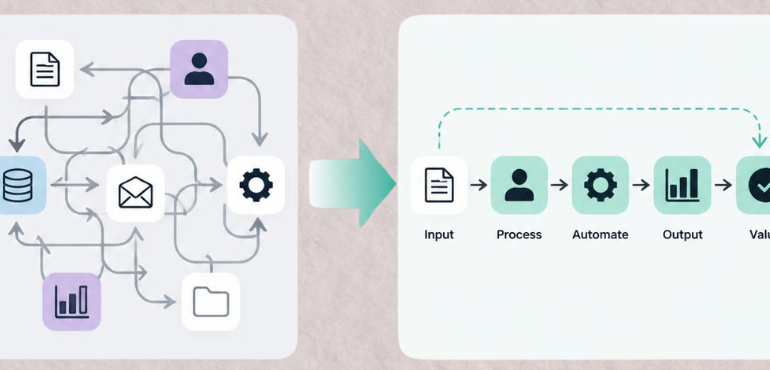
Business Process Transformation: Why Most Programs Digitize Instead of Transform
Reading Time: 6 minutesBusiness process transformation is the fundamental rethinking of how a business process works and what it is meant to achieve, not simply digitizing or automating the existing process. It is the outcome; reengineering, optimization, and process management are the methods used to reach it. Most programs fall short because they make a flawed process faster

Top 10 Powerful Customizable Project Management Platforms to Look Out for in 2026
Reading Time: 11 minutesManaging projects today is more complex than ever. Teams are distributed, workflows are dynamic, and businesses demand faster execution with complete visibility. This is where a modern project management platform becomes essential. A project management platforms does more than just track tasks it centralizes planning, automates workflows, enables collaboration, and provides real-time insights to help

Top 12 Workflow Automation Software for Enterprises (2026 Guide)
Reading Time: 13 minutesDid you know? Over 80% of businesses are planning to boost their spending on automation technologies in the near future. But what is workflow automation software? It’s a tool that automates manual, repetitive tasks and streamlines business processes—eliminating bottlenecks and inefficiencies. That’s why businesses rely on it to boost productivity. But a customized workflow automation
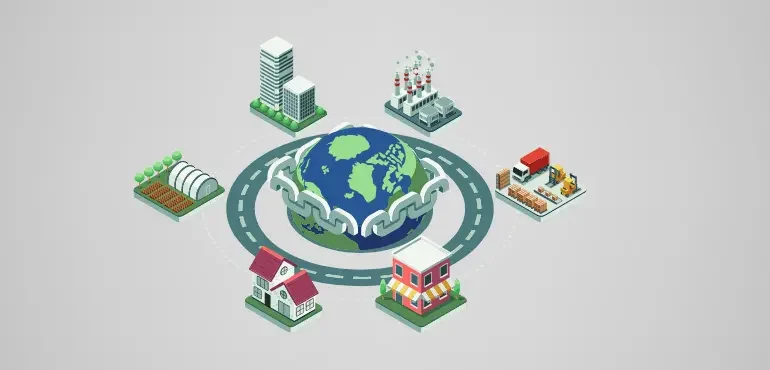
Supply Chain Automation: What It Is, Benefits & How to Start in 2026
Reading Time: 7 minutesThink about everything that has to go right for a single product to reach a customer. Someone forecasts demand. Someone raises a purchase order. A supplier confirms it. Goods arrive and get checked in. Stock levels update. An order gets picked, packed, and shipped. A dozen handoffs, across a dozen systems and teams — and
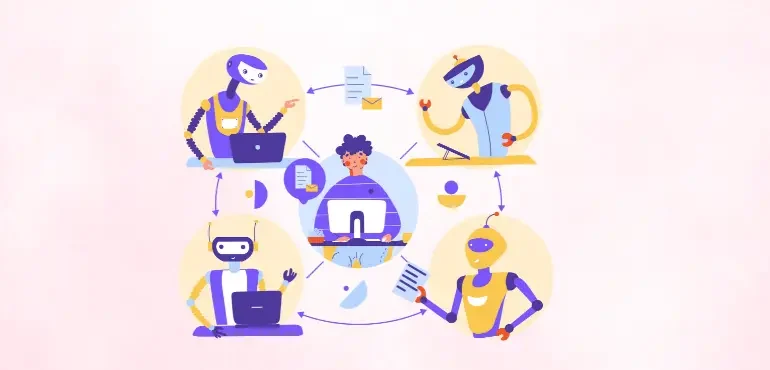
Process Automation Technology: What It Is and How It Actually Works
Reading Time: 7 minutesHere’s a question worth sitting with for a second: how much of your team’s week disappears into work that a computer could do without complaint? Copying data between systems. Chasing approvals over email. Rekeying the same invoice into three different tools. It rarely feels like “wasted time” in the moment, but it adds up to
Recent Posts







- Download the App