

No-Code for HR: How Non-Technical HR Teams Build Powerful Workflows Without IT in 2026
Reading Time: 15 minutesNo-code for HR is the use of visual, drag-and-drop platforms that allow HR professionals — with zero technical background — to build custom workflows, applications, forms, and automation without writing a single line of code. Instead of waiting months for IT to develop a solution, HR teams design and deploy their own tools in days

E-Commerce Workflow Automation: 8 Powerful Examples to Streamline Your Operations in 2026
Reading Time: 8 minutesE-commerce workflow automation is the use of software to automatically execute operational processes in an online business — order fulfilment, inventory management, customer support routing, returns processing, vendor management, and financial reconciliation — based on predefined rules and triggers, without manual intervention at each step. Manual e-commerce operations do not scale. A team handling 50

How No-Code is Transforming Future of Work: Job Roles, Skills & Opportunities in 2026
Reading Time: 9 minutesHow No-code is transforming future of work is what most organisations are only beginning to understand. It is not a developer productivity tool. It is a fundamental redistribution of who can build, who can automate, and who can innovate — moving that power from a small group of technical specialists to every person who understands

How to Prepare Your Business for the Future of Work: The Founders Who Act Now Will Win
Reading Time: 12 minutesKnowing how to prepare your business for the future of work is no longer a strategic exercise you schedule for next quarter. The future of work is not something that is arriving — sitting in your Slack channels, running in your automation scripts, reshaping what your best people want from work. The question every founder

Empowering Your Current IT Systems for Greater Efficiency
Reading Time: 6 minutesModern enterprises don’t struggle with building new systems they struggle with managing existing ones. Across industries, a significant portion of IT budgets is spent maintaining legacy applications, fixing bugs, and ensuring systems don’t break. Instead of driving innovation, IT teams are often stuck managing technical debt. This creates a critical challenge: How do you empower
7 Challenges of Legacy Enterprise Systems (And How Businesses Can Solve Them)
Reading Time: 5 minutesChallenges of legacy enterprise systems are becoming increasingly visible as organizations try to keep pace with modern technology. Many businesses still rely on legacy enterprise systems that were implemented years ago to manage critical operations such as finance, human resources, supply chains, and customer data. While these systems once helped organizations automate processes and improve

Human Resource Planning Process in 2026: Steps, Examples, Benefits, and Best Practices
Reading Time: 11 minutesOrganizations today operate in an environment defined by constant change. Rapid technological advancements, evolving employee expectations, and increasing competition for talent have made workforce planning more complex than ever before. Businesses can no longer rely on reactive hiring strategies. Instead, they need a proactive approach that ensures the right talent is available at the right
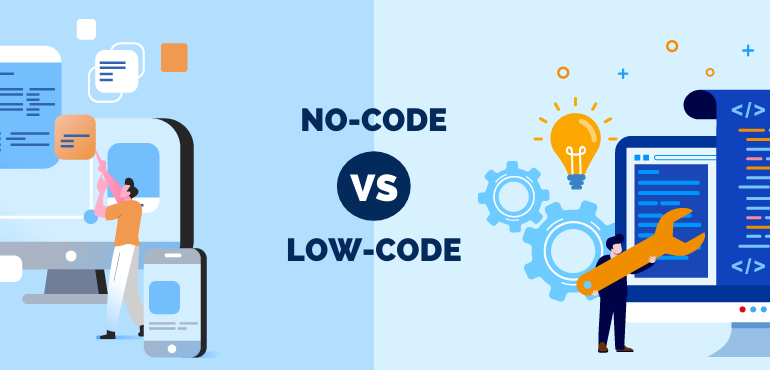
No-Code versus Low-Code in 2026: Breaking down the Pros and Cons!
Reading Time: 11 minutesIn today’s digital landscape, agility and efficiency are the best way to determine success. This stems from a need to stay updated and keep up with rapidly changing technology. Agility is key to having an edge over your competitors and keeping up with any new trends. With newer forms of development like no-code and low-code

11 benefits of optimizing your Field Services using No-Code!
Reading Time: 9 minutesOn-field services are integral to making sure that your products and services keep running smoothly. This is especially important for companies in industries like industrials equipment, healthcare, etc, where equipment is essential for the day-to-day operations of a company. Although your current processes and workflows for your field services might be running properly, optimizing your

How to Choose the Perfect No-Code Platform ? 10 Key Points to Consider!
Reading Time: 12 minutesNo-code tools have been on the rise in recent years, and this new technology is only gaining more popularity. With their numerous useful and unique features, these tools appear to be the silver bullet that can propel your business to a new level. The most challenging question to answer is how to select a no-code
Recent Posts





- Download the App