

Project Management in 2026: Why AI and No-Code Are the Ultimate Game-Changers
Reading Time: 7 minutesIn a world where agility defines success, project management has become the invisible engine driving transformation across industries. But as enterprises navigate the complex digital landscape of 2026, one truth stands out—traditional project management approaches are no longer enough. The rise of AI and no-code technology is changing how projects are planned, executed, and delivered.
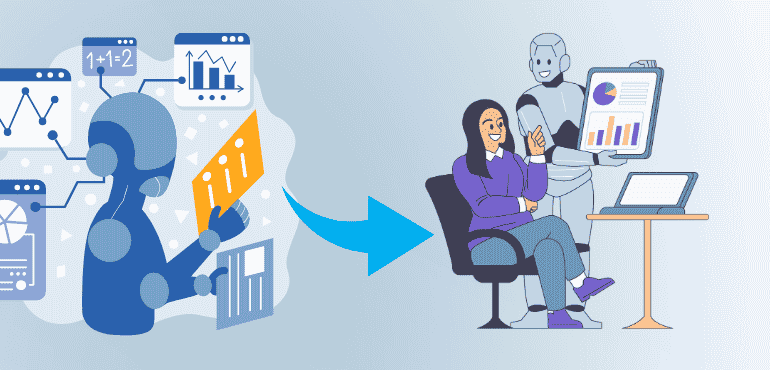
Why AI Agents as Digital Teammates Are the Ultimate Upgrade to No-Code
Reading Time: 5 minutesFor the past decade, no-code platforms have revolutionized the way businesses build and automate applications. They empowered non-technical employees—often called citizen developers—to create apps, automate processes, and streamline workflows without writing a single line of code. No-code was a democratizing force: it brought development to the hands of the people who understand the business best.Yet,
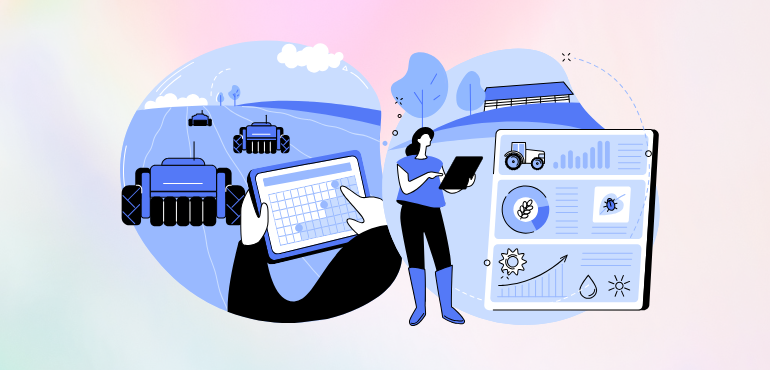
Online License Management System for Businesses : From Paperwork to Progress
Reading Time: 9 minutesCustomized License Management System: Can This Be a Game-Changer for Your Business? When you think of working with modern technology, yes, it’s a game-changer. Because using a standard license management system may not be sufficient for today’s organizations. As companies grow, the complexities of managing software licenses increase, and issues such as compliance requirements and
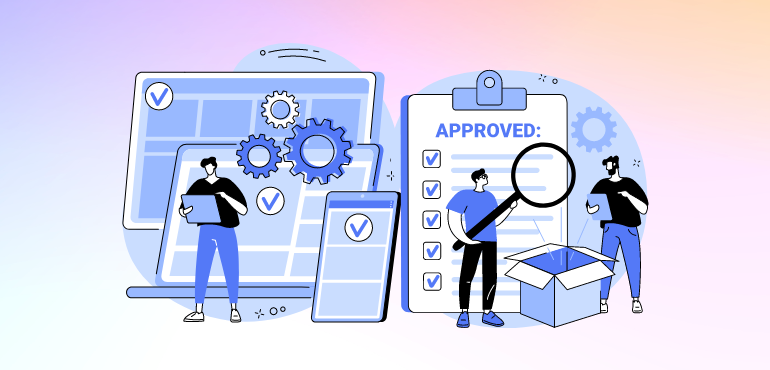
Quality Management System: Boosting Efficiency & Ensuring Quality
Reading Time: 12 minutesQuality has always been at the heart of successful businesses. Whether it’s delivering reliable products, ensuring smooth services, or meeting strict compliance standards, organizations need a structured way to manage and maintain excellence. This is where a Quality Management System (QMS) plays a vital role. A QMS provides the framework to define processes, enforce standards,
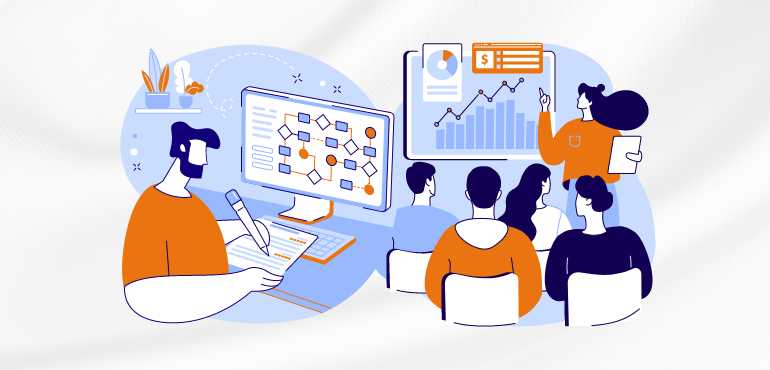
Workflow vs Process:5 Powerful Differences You Must Know
Reading Time: 10 minutesIn the fast-paced world of work, efficiency and organization reign supreme. We constantly strive to optimize our efforts, achieve goals faster, and navigate intricate systems. This journey often leads us to two frequently used yet subtly different terms: Workflow vs Process. While often used interchangeably, understanding their distinct roles is crucial for maximizing productivity and navigating
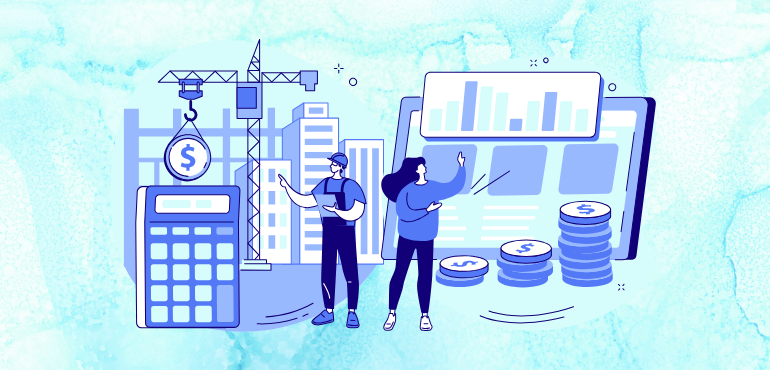
Build Your Way: How Customizable Construction Management Apps Are Reshaping the Industry
Reading Time: 9 minutesEvery construction project has its own DNA — distinct workflows, diverse teams, and unique challenges. Yet, too many teams still use rigid software that forces them to adapt to the tool. That’s where customizable construction management apps change the game. These tools are designed to adapt to your way of working — not the other
Mastering Digital Business Strategy: A Guide to LCNC Success
Reading Time: 8 minutesLet’s be honest – digital transformation sounds great in boardrooms. But you? You’re in the trenches. Between rising customer expectations, chaotic tech stacks, and a growing app backlog, digital chaos is becoming your daily reality. As a CEO, CIO, or business leader, you don’t need more buzzwords. You need results. And for that, you need
How to Execute an Application Development Strategy with LCNC Advantage?
Reading Time: 6 minutesHyperscalers and the IT services organization account for over 70% of their development spending,” said Gartner’s John Lovelock. And by 2028, over $1 trillion will be powering AI-optimized servers. That’s not random growth. It’s the result of a clear strategy: building smarter, faster applications to drive competitive advantage. And that’s exactly where business leaders and
App Development Basics: Your Secret to Build Apps 10x Faster
Reading Time: 7 minutesIf you’re searching for application development basics, you’re already ahead of most businesses stuck in outdated processes. Because here’s the reality: Every modern business needs to build applications- not tomorrow, but today. From streamlining daily workflow to launching new products faster, understanding how applications are developed is no longer a “tech thing”- it’s a leadership

Retail Automation 2.0: Your Ultimate Key to Thriving in the Future of Shopping
Reading Time: 10 minutesAs commerce continues to evolve at breakneck speed, the retail industry is undergoing a dramatic transformation powered by modern Gen-Z technology. At the core, this shift in retail automation is a game-changer in redefining how businesses operate, engage with customers, and streamline their supply chain operations. From AI in the retail industry to driving inventory management
Recent Posts






- Download the App