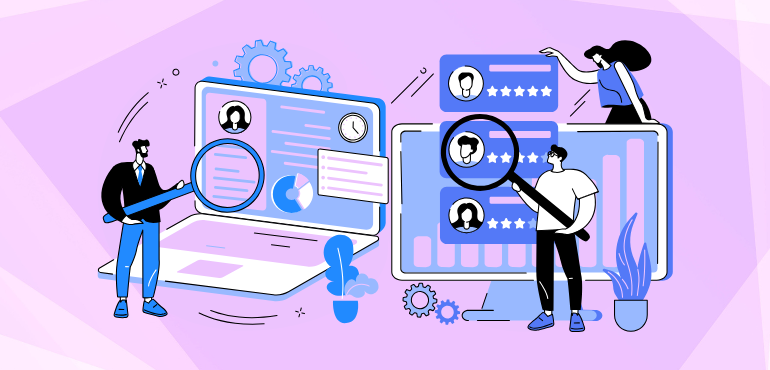
Employee Management App: 10 Must-Have Features for Better HR Efficiency
Reading Time: 11 minutesManaging employees has always involved a mountain of administrative work: tracking attendance, managing leave requests, running performance cycles, coordinating onboarding, and maintaining compliance documentation. For most organizations, this work happens across a combination of spreadsheets, email, forms, and disconnected systems — which means it happens slowly, inconsistently, and with a high risk of error. An

Remote Workforce Management: Smart Strategies for Scaling Remote Teams Successfully
Reading Time: 12 minutesManaging a remote workforce is not a scaled-up version of managing people in an office. The visual cues are gone. Informal hallway conversations disappear. Assumptions about “who’s working” become unreliable. The managers who thrive in distributed environments don’t replicate the office remotely — they build entirely new operating systems for their teams. This guide gives
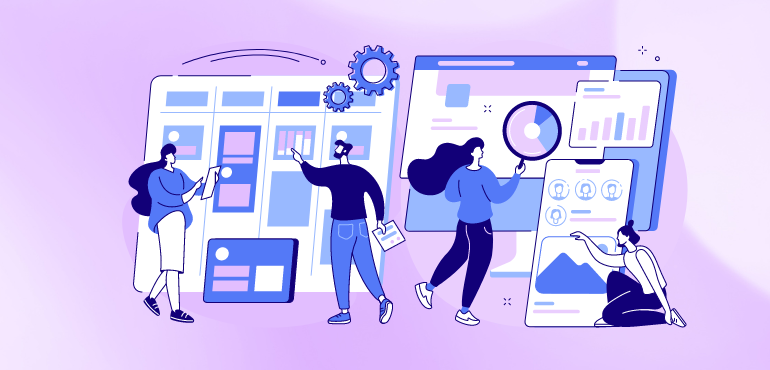
Best Task Management Software in 2026: The Complete Guide for Growing Teams
Reading Time: 11 minutesTask management software helps teams organize tasks, assign owners, set deadlines, track progress, and automate workflows—all from one centralized platform. In 2026, the best solutions go beyond basic task tracking, combining ease of use with powerful automation, customization, and real-time visibility. If your team is constantly juggling priorities, chasing deadlines, and struggling to stay aligned,

Workforce Management Software: Best Systems, Vendors & Comparison Guide for 2026
Reading Time: 11 minutesWorkforce management software is a digital system that helps organizations schedule employees, track time, optimize labor costs, and ensure compliance—all from a single platform. In 2026, managing a workforce is no longer just an HR function—it’s a core operational and strategic priority. From hybrid teams to rising labor costs, businesses need real-time visibility into how
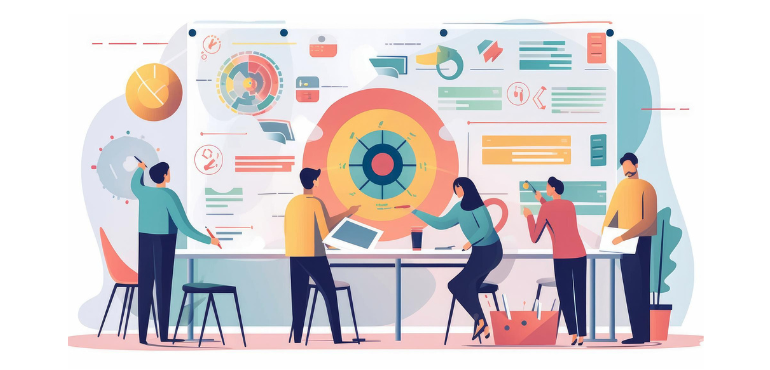
Top 10 Powerful Customizable Project Management Platforms to Look Out for in 2026
Reading Time: 11 minutesManaging projects today is more complex than ever. Teams are distributed, workflows are dynamic, and businesses demand faster execution with complete visibility. This is where a modern project management platform becomes essential. A project management platforms does more than just track tasks it centralizes planning, automates workflows, enables collaboration, and provides real-time insights to help
Top 10 Ultimate Business Process Management Tools for Your Business
Reading Time: 6 minutesTasks such as getting approvals, onboarding new employees, and documentation of business processes can seem mundane. Doing them occasionally may not be a problem, but the trouble begins when they become regular. These everyday tasks can take up most of your time and energy. Fortunately, you can save 30% of your time by automating such
The 12 Best Low-Code Development Platforms in 2026
Reading Time: 11 minutesLow-code development platforms have become the backbone of modern digital transformation. From building internal tools to automating workflows and enabling citizen development, today’s low code platforms empower both developers and business users to create scalable applications faster than ever. Whether you’re evaluating a low code application development platform for enterprise use or exploring low code
Visual Workflow Builder: What It Is, How It Works & Why It Matters in 2026
Reading Time: 7 minutesDesigning and managing business processes has traditionally been slow, complex, and heavily dependent on technical teams. From writing code to coordinating across departments, even simple workflow changes could take days or weeks to implement. As businesses push for faster execution and greater agility, this traditional approach is no longer sustainable. What is a Visual Workflow
Business Process Optimization (BPO): Definition, Benefits & Proven Techniques
Reading Time: 8 minutesBusiness Process Optimization (BPO) is the practice of analyzing and improving business processes to make them more efficient, cost-effective, and scalable. It helps organizations eliminate inefficiencies, streamline workflows, reduce operational costs, and improve overall performance. Every organization runs on processes whether they are defined or not. From onboarding employees to processing invoices or managing customer
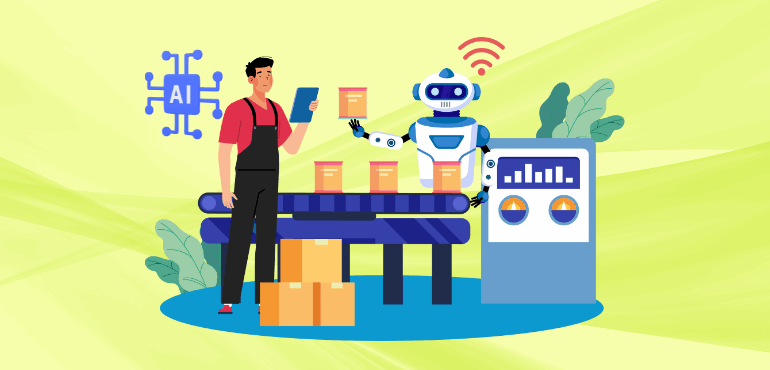
What is AI in Retail Industry? 7 Use Cases, Benefits, Examples & Best Practices
Reading Time: 8 minutesAI in retail industry refers to the use of artificial intelligence technologies such as machine learning, predictive analytics, and automation to optimize retail operations, enhance customer experiences, and drive data-driven decision-making. For modern retail businesses, this means going beyond traditional systems to enable real-time insights, intelligent automation, and scalable digital processes across the entire value
Recent Posts




- Download the App