

12 Proven Benefits of Citizen Development (With Real Examples)
Reading Time: 9 minutesThe benefits of citizen development include faster app delivery, reduced IT backlog, lower development costs, greater business agility, improved collaboration between IT and business teams, democratised innovation, and higher employee engagement. Organisations that empower citizen developers consistently report shorter time-to-market, stronger alignment between technology and business needs, and measurable gains in operational efficiency. The benefits

Who Is a Citizen Developer? Role, Skills and How Businesses Empower Them in 2026
Reading Time: 11 minutesWho is a citizen developer? A citizen developer is a business user who creates applications using no-code or low-code tools without formal programming skills. They work in operations, HR, finance, marketing, procurement, and field services — and use visual drag-and-drop platforms to build workflow automations, data collection apps, and approval systems for their specific departmental needs.

How to Automate a Workflow Without Coding: 6 Steps to Your First No-Code Workflow
Reading Time: 10 minutesTo learn how to automate a workflow without coding, you need to: identify and name the process, build data capture forms using drag-and-drop field controls, configure the workflow logic with sequential or conditional steps, set business rules and validation conditions, configure access permissions by role, and publish the app with one click. On a no-code platform

Digital Transformation in HR: The 2026 Executive Guide to Strategy, Stages and Roadmap
Reading Time: 20 minutesDigital transformation in HR is the strategic adoption of digital tools, platforms, and practices to replace manual HR processes with automated, data-driven, and employee-centric systems — changing not just how HR operates but how it contributes to organisational strategy, culture, and growth. It is not simply digitising paper forms. It is redefining how HR creates
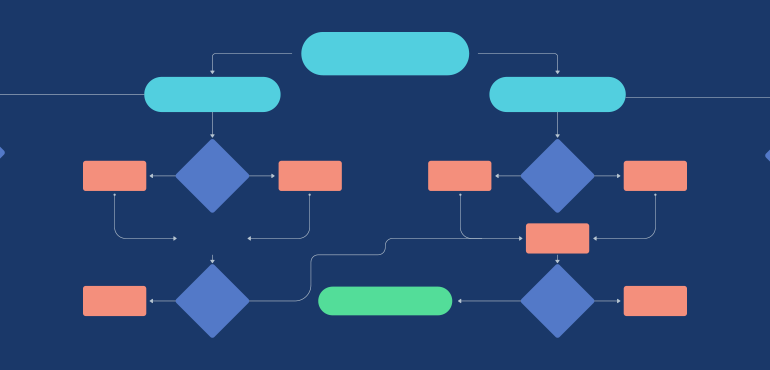
Complete Guide to Approval Process and Workflow: 5 Steps, 8 Examples and How to Automate in 2026
Reading Time: 7 minutesAn approval process and workflow is an automated sequence of steps that routes a request — document, budget, purchase order, or leave request — through defined approvers in a specific order, enforcing rules and capturing decisions at each stage without manual follow-up. It is the operational backbone of governed enterprise operations. Every business runs on

What Is Customised Workflow Management Software? Benefits & Key Features Explained
Reading Time: 7 minutesWhat is Customised Workflow Management Software? A purpose-built system designed around a specific organisation’s unique business processes, approval structures, team hierarchies, and operational requirements — rather than forcing teams to adapt to a vendor’s predefined template. Unlike standard off-the-shelf workflow tools, a customised solution lets enterprises define exactly how tasks flow, who approves what, what

20 Essential Features of Workflow Management System Every Enterprise Needs in 2026
Reading Time: 10 minutesAn enterprise-grade workflow management system must include at minimum: a no-code process builder, configurable approval chains, task automation and routing, real-time dashboards, system integrations, role-based access control, mobile access, a complete audit trail, notification and escalation engines, and offline capability. The 20 features below represent the complete specification — from the basics every system must

Build Your Own Inventory Management App — No Code Required
Reading Time: 9 minutesEvery business reaches a breaking point with generic inventory tools. You either grow out of them, find they don’t fit your processes, or spend half your day switching between three different platforms just to get a clear picture of your stock. There’s a better way. What if you could build an inventory management app that

How to Prepare Your Business for the Future of Work: The Founders Who Act Now Will Win
Reading Time: 12 minutesKnowing how to prepare your business for the future of work is no longer a strategic exercise you schedule for next quarter. The future of work is not something that is arriving — sitting in your Slack channels, running in your automation scripts, reshaping what your best people want from work. The question every founder

Remote Workforce Management: Smart Strategies for Scaling Remote Teams Successfully
Reading Time: 12 minutesManaging a remote workforce is not a scaled-up version of managing people in an office. The visual cues are gone. Informal hallway conversations disappear. Assumptions about “who’s working” become unreliable. The managers who thrive in distributed environments don’t replicate the office remotely — they build entirely new operating systems for their teams. This guide gives
Recent Posts





- Download the App