
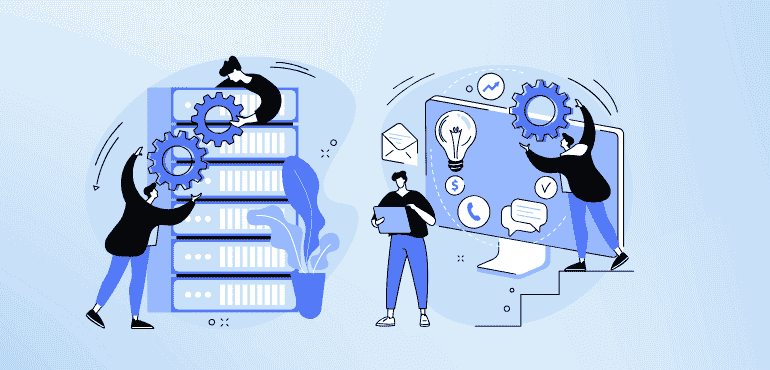
Visual Workflow Builder: What It Is, How It Works & Why It Matters in 2026
Reading Time: 7 minutesDesigning and managing business processes has traditionally been slow, complex, and heavily dependent on technical teams. From writing code to coordinating across departments, even simple workflow changes could take days or weeks to implement. As businesses push for faster execution and greater agility, this traditional approach is no longer sustainable. What is a Visual Workflow
Stay Ahead of the Curve: Top AI Tools You Need to Consider in 2026 for Enhanced Productivity!
Reading Time: 11 minutesAI has become an integral part of our lives in today’s digital age. And has transformed the way we work, communicate, and consume information. Artificial Intelligence technology is transforming businesses’ operations, making processes more efficient and increasing productivity. AI tools can help businesses automate repetitive tasks, increase productivity, improve the quality of work, streamline workflows,

Empowering Your Current IT Systems for Greater Efficiency
Reading Time: 6 minutesModern enterprises don’t struggle with building new systems they struggle with managing existing ones. Across industries, a significant portion of IT budgets is spent maintaining legacy applications, fixing bugs, and ensuring systems don’t break. Instead of driving innovation, IT teams are often stuck managing technical debt. This creates a critical challenge: How do you empower
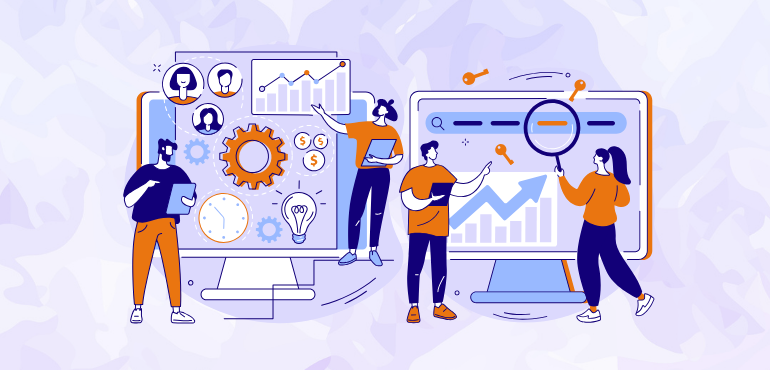
Business Process Optimization (BPO): Definition, Benefits & Proven Techniques
Reading Time: 8 minutesBusiness Process Optimization (BPO) is the practice of analyzing and improving business processes to make them more efficient, cost-effective, and scalable. It helps organizations eliminate inefficiencies, streamline workflows, reduce operational costs, and improve overall performance. Every organization runs on processes whether they are defined or not. From onboarding employees to processing invoices or managing customer
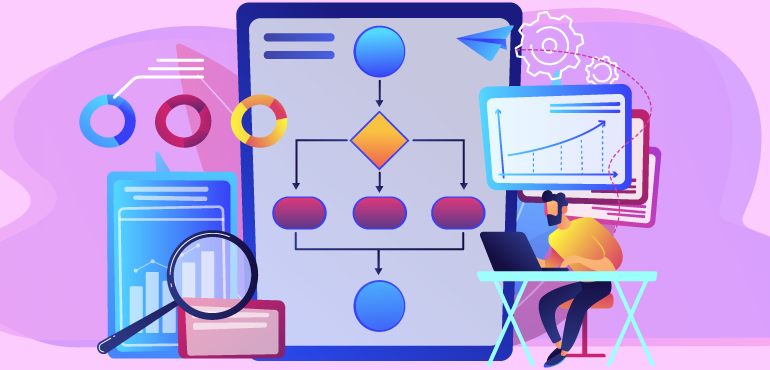
10 Reasons Why Workflows are Important for your Business
Reading Time: 9 minutesWorkflows are important because they bring structure, clarity, and consistency to how work gets done, ensuring tasks are completed efficiently, accurately, and on time. Every business runs on workflows whether they’re defined or not. From approving a leave request to onboarding a new employee or closing a deal, work moves through a series of steps.
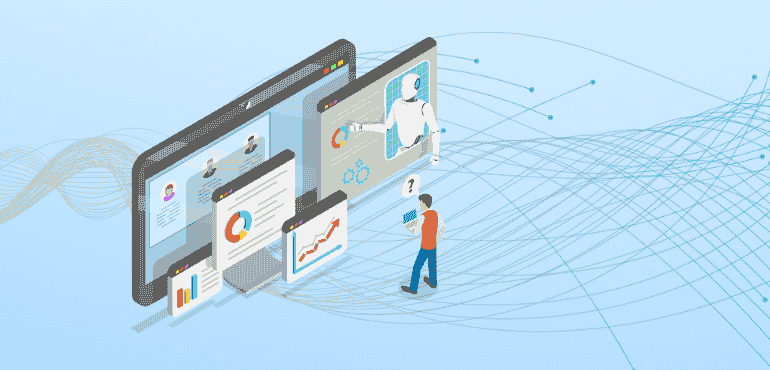
AI in Retail Examples: How Workflow Execution Drives ROI
Reading Time: 8 minutesAI in retail is the strategic application of machine learning, predictive analytics, computer vision, and natural language processing to optimize operations, reduce costs, and drive measurable revenue growth. It enables enterprises to anticipate demand, automate critical workflows, optimize pricing strategies, and deliver personalized customer experiences at scale. AI in Retail Examples: AI is not just
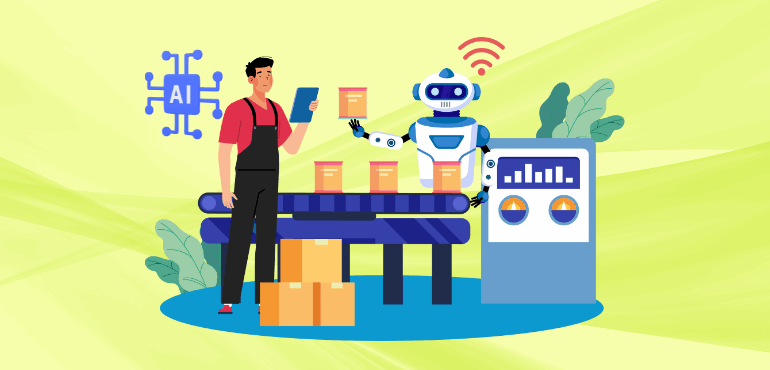
What is AI in Retail Industry? 7 Use Cases, Benefits, Examples & Best Practices
Reading Time: 8 minutesAI in retail industry refers to the use of artificial intelligence technologies such as machine learning, predictive analytics, and automation to optimize retail operations, enhance customer experiences, and drive data-driven decision-making. For modern retail businesses, this means going beyond traditional systems to enable real-time insights, intelligent automation, and scalable digital processes across the entire value
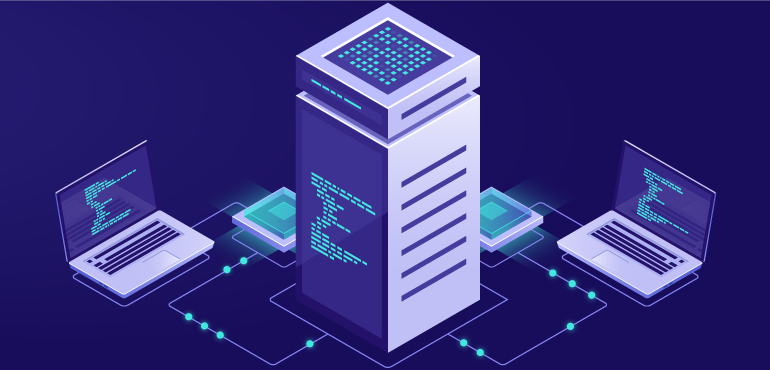
7 Challenges of Legacy Enterprise Systems (And How Businesses Can Solve Them)
Reading Time: 5 minutesChallenges of legacy enterprise systems are becoming increasingly visible as organizations try to keep pace with modern technology. Many businesses still rely on legacy enterprise systems that were implemented years ago to manage critical operations such as finance, human resources, supply chains, and customer data. While these systems once helped organizations automate processes and improve
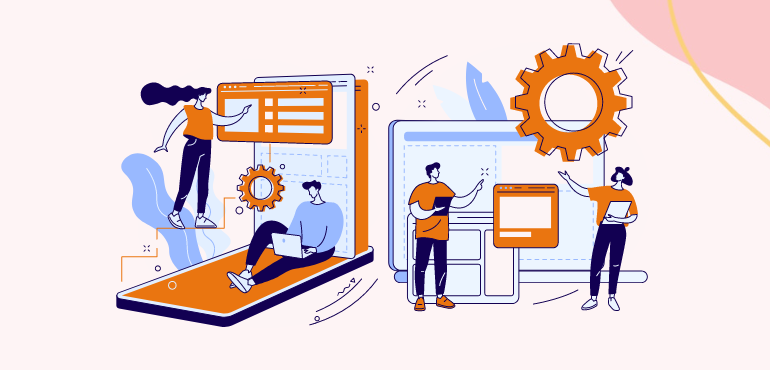
Overcoming Legacy System Gaps: Practical Ways to Modernize
Reading Time: 8 minutesOvercoming legacy system gaps has become a priority for organizations trying to keep pace with modern digital demands. Many companies still rely on legacy systems that were once reliable but now struggle to support evolving business needs. These systems often power critical operations, yet they can create gaps in efficiency, scalability, and integration when compared

15+ Legacy Modernization Examples from Leading Enterprises
Reading Time: 9 minutesMany organizations still rely on legacy technology to run critical operations. These systems may include outdated enterprise software, aging infrastructure, or monolithic applications that were developed decades ago. While these solutions once supported business growth, they often become barriers to innovation in modern digital environments. Legacy modernization refers to the process of upgrading or transforming
Recent Posts





- Download the App