

5 Types of Hybrid Workplace Models and How to Choose the Right One 2026
Reading Time: 12 minutesYou have decided to go hybrid. Now comes the harder question: which kind of hybrid? Because “hybrid work” is not a single model. It is a spectrum — from arrangements where employees almost never come to the office, to ones where in-person work is still the default with occasional remote flexibility built in. Between those

What is Hybrid Workplace Model?: The Future of Work Unleashed
Reading Time: 12 minutesThe way your team works has changed — permanently. Not because of a single policy decision, not because of a technology upgrade, but because employees across the world proved something important over the last few years: great work does not require everyone to be in the same room, every day. And yet, organizations that simply

WFH Meaning: Full Form, Definition & 8 Proven Benefits of Working From Home
Reading Time: 12 minutesWFH is one of the most searched workplace terms across India and globally — and one of the most misunderstood. You’ve seen it in email subject lines, job listings, Slack statuses, and HR policies. But what exactly does WFH mean, and what does it mean for you as an employee or a business leader in
Collaborative Work Management: Strategy, Tools & Framework
Reading Time: 9 minutesKnowledge workers switch between an average of 10 applications per day. Two-thirds switch between different apps every working hour. Companies run an average of 106 SaaS tools simultaneously (McKinsey). The result: work fragments, context gets lost, and the overhead of coordination starts to rival the work itself. Collaborative work management exists to solve this. Not
Employee Management App: 10 Must-Have Features for Better HR Efficiency
Reading Time: 11 minutesManaging employees has always involved a mountain of administrative work: tracking attendance, managing leave requests, running performance cycles, coordinating onboarding, and maintaining compliance documentation. For most organizations, this work happens across a combination of spreadsheets, email, forms, and disconnected systems — which means it happens slowly, inconsistently, and with a high risk of error. An

Top 10 Tips To Manage Remote Workforce for Better Productivity
Reading Time: 10 minutesManaging a distributed team isn’t just about giving employees the flexibility to work from anywhere—it’s about ensuring productivity, accountability, and seamless collaboration without constant oversight. That’s where the right tips to manage remote workforce become critical. From communication gaps and time zone differences to tracking performance and maintaining engagement, remote teams come with unique challenges.

Remote Workforce Management: Smart Strategies for Scaling Remote Teams Successfully
Reading Time: 12 minutesManaging a remote workforce is not a scaled-up version of managing people in an office. The visual cues are gone. Informal hallway conversations disappear. Assumptions about “who’s working” become unreliable. The managers who thrive in distributed environments don’t replicate the office remotely — they build entirely new operating systems for their teams. This guide gives
Quixy Task Management: 12 Powerful Features, Use Cases & How It Works
Reading Time: 15 minutesMost task management tools give you a fixed structure and ask your team to adapt to it. Quixy works the other way around. This page covers exactly how Quixy task management works— from how tasks are created and routed through workflows, to how your team views, filters, prioritizes, and acts on them. If you’re evaluating
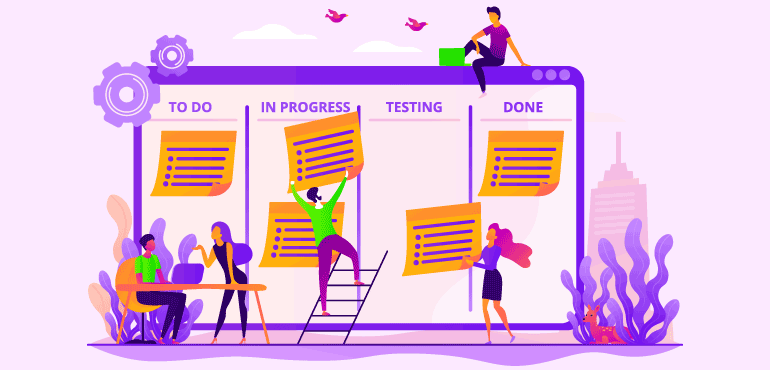
No-Code Task Management System: 6 Proven Steps to Build a Powerful Workflow
Reading Time: 10 minutesEvery business runs on tasks but very few have a system that truly reflects how their work gets done. Task management software helps teams organize tasks, assign ownership, set deadlines, track progress, and automate workflows from a single platform. But in reality, most off-the-shelf tools are built for generic use cases not for the complexity
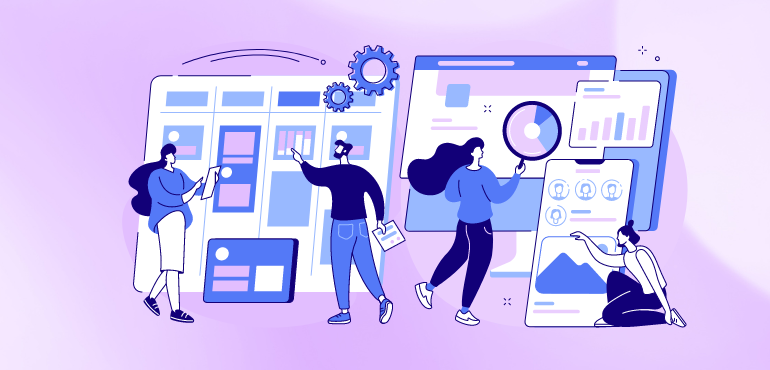
Best Task Management Software in 2026: The Complete Guide for Growing Teams
Reading Time: 11 minutesTask management software helps teams organize tasks, assign owners, set deadlines, track progress, and automate workflows—all from one centralized platform. In 2026, the best solutions go beyond basic task tracking, combining ease of use with powerful automation, customization, and real-time visibility. If your team is constantly juggling priorities, chasing deadlines, and struggling to stay aligned,
Recent Posts




- Download the App