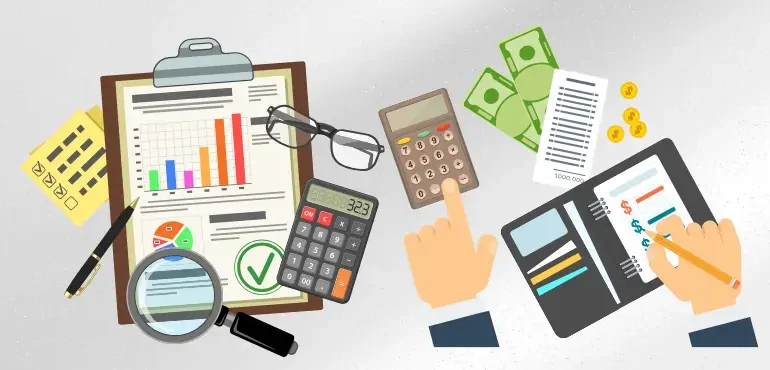
Audit Management Software: 6 Proven Steps to Better Audits
Reading Time: 8 minutesConsider a mid-sized manufacturing plant that runs a quarterly safety audit. The auditor walks the floor with a clipboard, takes notes, and types up a report that goes into a shared folder. Three months later, a corrective action is still open, and nobody can say whether it was ever started. The original auditor has moved
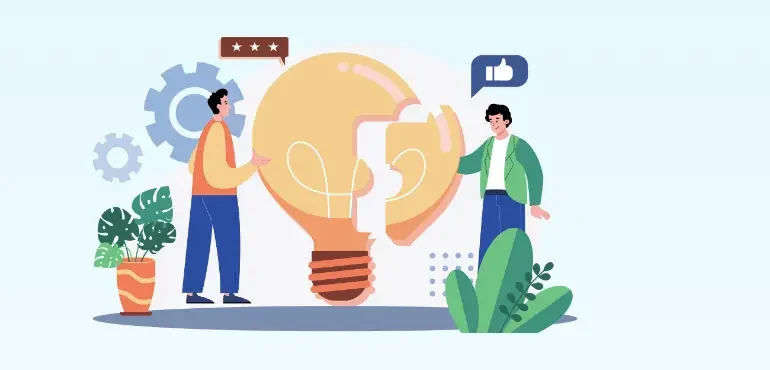
CAPA Management: 8 Steps, Process & Best Practices
Reading Time: 9 minutesCAPA stands for Corrective and Preventive Action. CAPA management is the process of finding the root cause of a quality problem, fixing it so it does not recur (corrective action), and removing the causes of potential problems before they happen (preventive action). A standard CAPA process has eight steps: identify and log the issue, assess
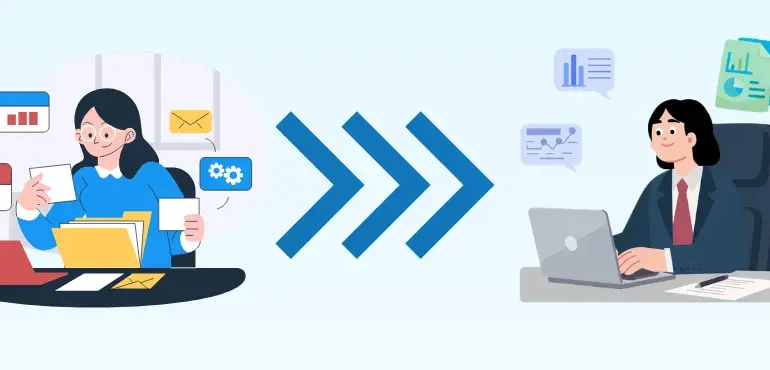
Leave Management System: A Complete Guide for HR Teams
Reading Time: 10 minutesA leave management system is software that runs the full employee leave cycle in one place: leave requests, policy checks, approvals, balance tracking, holiday calendars and payroll updates. A good system lets HR configure leave types and accrual rules by location, routes approvals automatically, shows employees their live balances, and syncs approved leave to payroll
20 Best Task Management Software in 2026: The Complete Guide for Growing Teams
Reading Time: 11 minutesThe best task management software in 2026 depends on team size and how your work flows. Quixy is best for process-driven and enterprise workflows, ClickUp is the best all-rounder, Asana is best for cross-team coordination, Trello and Todoist suit small businesses, Smartsheet and Wrike suit enterprise reporting, and Jira suits software teams. Business task management
HR Challenges: The 12 Critical Issues Teams Are Facing and How to Solve Them
Reading Time: 6 minutesThe biggest HR challenges today are attracting and retaining talent, keeping employees engaged, closing skills gaps, staying compliant with changing laws, managing hybrid work, adopting HR technology, and aligning HR with business strategy. Most of them share a root cause — too much manual work and too little data — and are solved by combining

HR Challenges in the Retail Industry: Top 10 Critical Gaps
Reading Time: 8 minutesThe biggest HR challenges in the retail industry are high employee turnover, high-volume and seasonal hiring, multi-location workforce and data management, labour-law compliance, shift scheduling, engagement, and low HR-tech adoption. Retailers increasingly solve them with low-code/no-code platforms that let HR build custom hiring, onboarding, scheduling, and compliance apps in days — without waiting on IT.
Best HR Software: 8 Top HR Platforms Compared 2026
Reading Time: 8 minutesHR platforms (also called human resources software or an HR platform) is a system that centralises and automates HR tasks — payroll, hiring, onboarding, time, benefits, and performance — in one place. The best HR software for you depends on size and needs: all-in-one suites like BambooHR and Rippling suit most SMBs, enterprise HCM like Workday fits large organisations,

Digital Transformation in HR: The 2026 Executive Guide to Strategy, Stages and Roadmap
Reading Time: 20 minutesDigital transformation in HR is the strategic adoption of digital tools, platforms, and practices to replace manual HR processes with automated, data-driven, and employee-centric systems — changing not just how HR operates but how it contributes to organisational strategy, culture, and growth. It is not simply digitising paper forms. It is redefining how HR creates
Human Resource Planning: 6 Essential Steps & Examples in 2026
Reading Time: 10 minutesHuman resource planning (HRP) is the process of forecasting an organisation’s future workforce needs and building the hiring, development, and retention plans to meet them. It compares the people and skills a company has today against what it will need next, then closes the gap before it affects performance. Every business goal — entering a
Application Development Lifecycle: Master These 6 Essential Steps
Reading Time: 6 minutesBuilding an application without a clear process is how good ideas turn into missed deadlines, buggy releases, and wasted budgets. The application development lifecycle (ADLC) is the structured path that prevents that — a repeatable sequence of stages that takes an app from initial idea to launch and beyond. This guide breaks down the six
Recent Posts



- Download the App