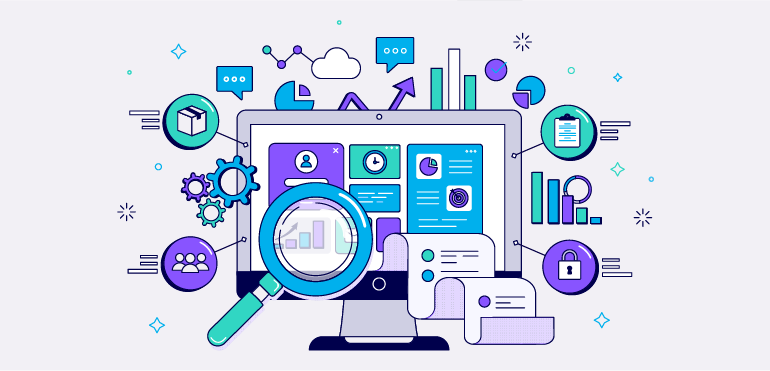
Top 16 Digital Transformation Trends for 2026
Reading Time: 11 minutesDigital transformation is no longer only about adopting new software, moving systems to the cloud, or replacing paper with digital tools. In 2026, it is about building a business that is connected, automated, data-driven, secure, and ready to adapt quickly. Organizations are under pressure to modernize operations, improve customer experience, reduce manual work, manage compliance,
20 Global Tech Events in 2026 That CIOs, CEOs & CTOs Can’t Miss
Reading Time: 12 minutesSomething feels different the moment you walk into tech events in 2026 Not the format. Not the scale, but the conversations. You do not hear, “This is what’s coming.” You hear the phrase “this is what’s already working.” That shift is small, but it has far-reaching consequences. A few years ago, events were centered on possibility. Big ideas, daring predictions,
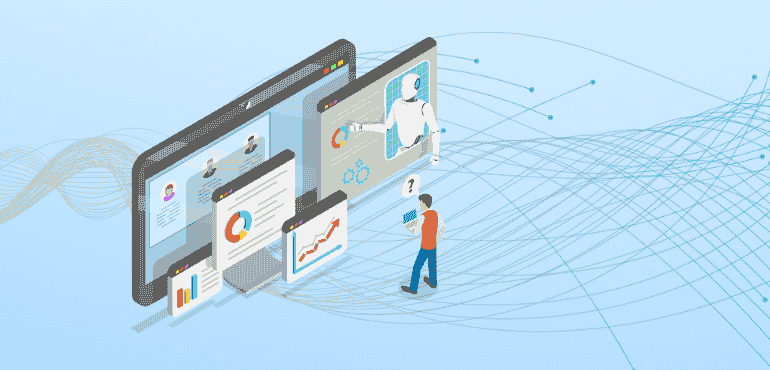
AI in Retail Examples: How Workflow Execution Drives ROI
Reading Time: 8 minutesAI in retail is the strategic application of machine learning, predictive analytics, computer vision, and natural language processing to optimize operations, reduce costs, and drive measurable revenue growth. It enables enterprises to anticipate demand, automate critical workflows, optimize pricing strategies, and deliver personalized customer experiences at scale. AI in Retail Examples: AI is not just
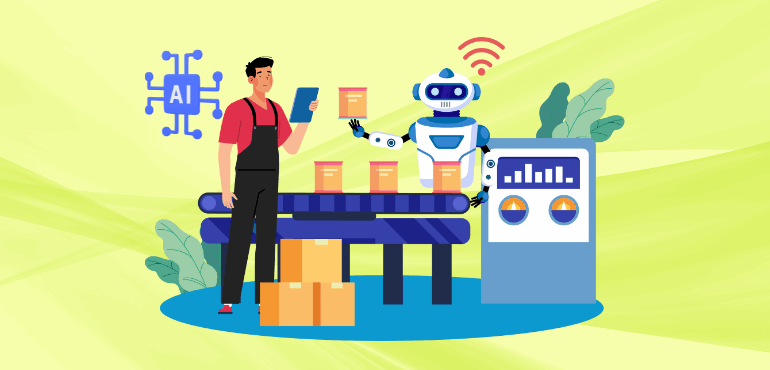
What is AI in Retail Industry? 7 Use Cases, Benefits, Examples & Best Practices
Reading Time: 8 minutesAI in retail industry refers to the use of artificial intelligence technologies such as machine learning, predictive analytics, and automation to optimize retail operations, enhance customer experiences, and drive data-driven decision-making. For modern retail businesses, this means going beyond traditional systems to enable real-time insights, intelligent automation, and scalable digital processes across the entire value
Overcoming Legacy System Gaps: Practical Ways to Modernize
Reading Time: 8 minutesOvercoming legacy system gaps has become a priority for organizations trying to keep pace with modern digital demands. Many companies still rely on legacy systems that were once reliable but now struggle to support evolving business needs. These systems often power critical operations, yet they can create gaps in efficiency, scalability, and integration when compared
15+ Legacy Modernization Examples from Leading Enterprises
Reading Time: 9 minutesMany organizations still rely on legacy technology to run critical operations. These systems may include outdated enterprise software, aging infrastructure, or monolithic applications that were developed decades ago. While these solutions once supported business growth, they often become barriers to innovation in modern digital environments. Legacy modernization refers to the process of upgrading or transforming
Legacy Application Meaning: Insights to Drive Growth and Agility 2026
Reading Time: 10 minutesLegacy application meaning: A legacy application is a software program that organizations continue to use even though it is built on outdated technologies, architectures, or development frameworks. These applications often support critical business functions such as finance systems, supply chain operations, customer databases, or internal workflow management. While they may still perform their intended tasks,

A Guidebook for Legacy Application Modernization Success in 2026
Reading Time: 13 minutesLegacy application modernization refers to the process of upgrading or evolving older software applications so they can support modern technologies, business requirements, and digital experiences while preserving existing business logic and operational data. Instead of completely replacing existing systems, organizations modernize them to improve scalability, security, and integration while maintaining the critical processes these applications
Digital Transformation Roadmap: 7 Steps to Strategy and Execution
Reading Time: 8 minutesA digital transformation roadmap is not just a timeline for adopting new technology. It is a structured execution plan that connects business goals, processes, people, data, governance, and measurable outcomes. Many organizations start digital transformation with ambition but struggle during execution. Projects slow down because priorities are unclear, systems are disconnected, teams are not aligned,
How to Build A Winning Digital Transformation Strategy in 2026
Reading Time: 9 minutesIf the last few years have taught enterprise leaders anything, it is this: buying technology is easy. Transforming a business is not. By 2026, most organizations are no longer debating whether to invest in digital. They already have. Cloud migrations have happened. Automation tools are in place. AI pilots are running. Dashboards are everywhere. And
Recent Posts





- Download the App