
The Secrets of Custom App Development in 2026: Building Excellence
Reading Time: 7 minutesOff-the-shelf software rarely fits the way your business actually works. Custom app development solves that — building software shaped to your exact processes, data, and goals instead of forcing your team to adapt to someone else’s template. And in coming years, you no longer need a full engineering team to do it: no-code and low-code

Vibe Coding: The Complete 2026 Guide (Benefits & Risks)
Reading Time: 8 minutesSoftware used to mean writing every line by hand. In 2026 it increasingly means describing what you want in plain English and letting an AI write, run, and fix the code. That shift has a name: vibe coding. This guide explains what vibe coding is, how it works, where it helps, where it breaks, whether it
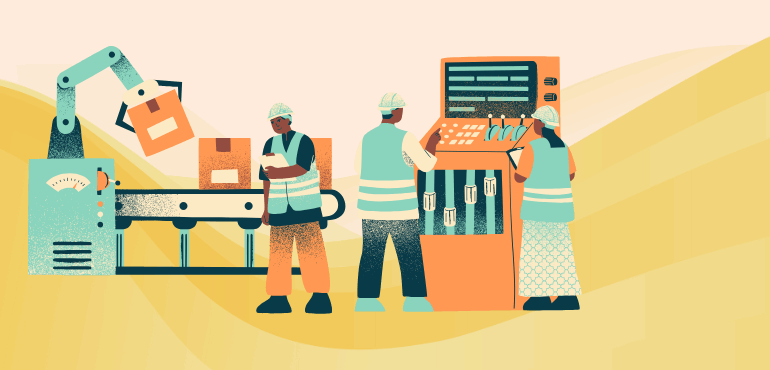
A Proven Path to Digital Transformation in Manufacturing 2026
Reading Time: 9 minutesManufacturers are under pressure to produce faster, reduce downtime, improve quality, manage supply chain uncertainty, and respond to changing customer demand. Traditional manufacturing processes that depend on paper records, manual tracking, disconnected systems, and delayed reporting make it difficult to operate with speed and accuracy. That is where digital transformation in manufacturing becomes important. By
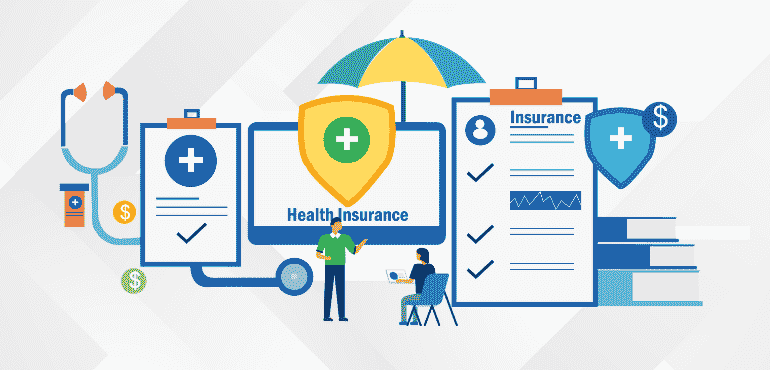
Digital Transformation in Insurance: Smarter, Faster & More Personalized in 2026
Reading Time: 8 minutesInsurance companies are under pressure to become faster, more customer-focused, and more data-driven. Traditional processes such as manual paperwork, delayed claims, disconnected policy records, and rigid service models make it difficult to meet modern customer expectations. That is where digital transformation in insurance becomes important. By using automation, AI, data analytics, cloud platforms, and no-code
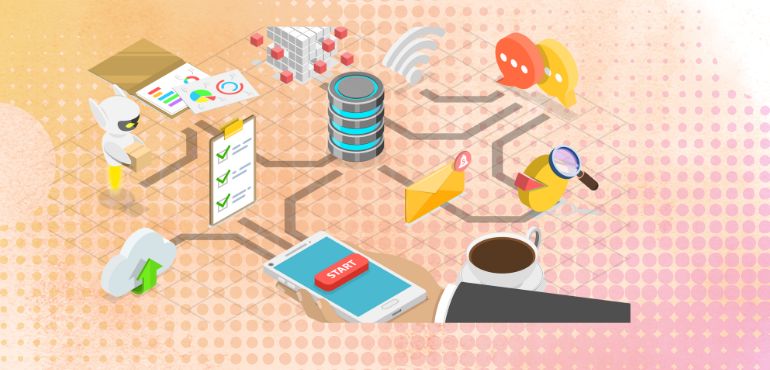
Digital Transformation in Finance: Your Complete 2026 Strategy Guide
Reading Time: 14 minutesCFOs today aspire to build an automated, AI-enabled finance function that drives efficiency and agility. Yet execution remains the hard part: Gartner’s 2026 CFO Agenda research found that only 13.5% of finance leaders report a clearly successful transformation (Gartner, 2026 CFO Agenda). Challenges like outdated processes, resistance to change, and high implementation costs often hinder

AI & Digital Transformation in Healthcare 2026: 10 Impact Areas You Can’t Ignore
Reading Time: 9 minutesEvery day, hospitals and healthcare providers strive to deliver exceptional care. But in today’s rapidly evolving environment, is that truly enough? Rising patient expectations, mounting operational costs, and shifting regulatory requirements put immense pressure on healthcare organizations. These challenges demand more than traditional approaches — they call for innovation. Is Digital Transformation in Healthcare a
10 Essential Components of Digital Transformation: A Structural Framework for Enterprise Leaders
Reading Time: 7 minutesDigital transformation does not break down because organizations lack vision. It breaks down because foundational digital transformation components are built unevenly. A company may migrate to the cloud but retain fragmented workflows.It may invest in analytics but lack data governance.It may automate processes without aligning accountability. The result is motion without momentum. For C-level leaders,
A Comprehensive Glossary of Digital Transformation Terms
Reading Time: 16 minutesDigital transformation comes with a wide range of terms, frameworks, technologies, and business concepts. For business leaders, IT teams, operations managers, and citizen developers, understanding these terms is important before choosing tools, building workflows, or planning transformation initiatives. This digital transformation glossary explains key terms related to no-code, low-code, workflow automation, business process management, AI,
Top 15 Benefits of Digital Transformation for Modern Enterprises
Reading Time: 10 minutesDigital transformation is no longer just a technology initiative. It is a business priority that helps organizations improve efficiency, reduce costs, enhance customer experience, and make faster decisions with better data. As companies modernize systems, digitize workflows, automate processes, and connect teams, the benefits of digital transformation become visible across every part of the business.
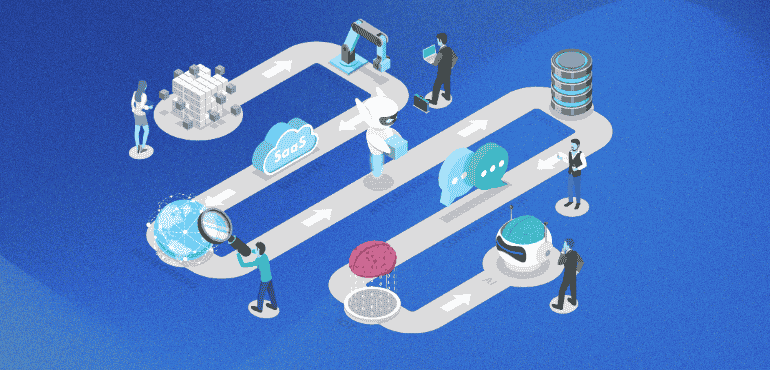
Enterprise Digital Transformation in 2026: A Practical Leadership Guide
Reading Time: 8 minutesEnterprise digital transformation is no longer only about moving systems to the cloud or adopting new enterprise software. For large organizations, it is about connecting strategy, people, processes, data, governance, and technology so the entire enterprise can operate with greater speed, visibility, and control. Unlike small-scale digitization, enterprise digital transformation affects multiple departments, business units,
Recent Posts







- Download the App