
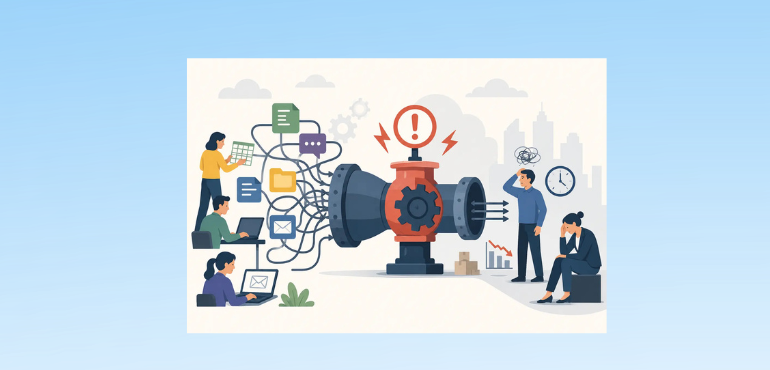
When Workflow Tools Become Operational Bottlenecks: 9 Warning Signs for Enterprises
Reading Time: 9 minutesWorkflow tools become operational bottlenecks when they can no longer adapt to evolving business processes, governance requirements, and cross-functional collaboration needs. Common warning signs include increasing manual workarounds, delayed approvals, fragmented data, poor visibility, rising compliance risks, and growing dependence on IT teams for routine process changes. For enterprises, workflow inefficiencies rarely appear overnight. They
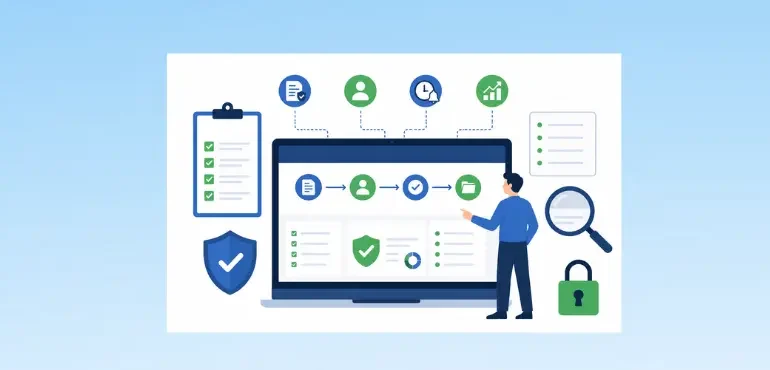
Workflow Compliance Management: Automating Audit-Ready Processes
Reading Time: 7 minutesCompliance is no longer a periodic activity performed only during audits. Modern organizations operate in an environment where regulatory requirements, internal policies, industry standards, and risk management obligations demand continuous oversight. As businesses grow, managing compliance through spreadsheets, emails, and manual checklists becomes increasingly difficult, creating operational inefficiencies and compliance risks. Organizations today face growing
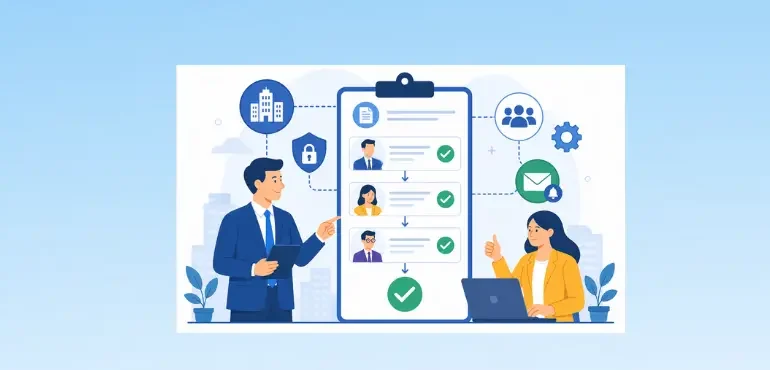
Enterprise Approval Workflow Design: Best Practices for Faster Decision-Making
Reading Time: 18 minutesEvery enterprise depends on approvals to maintain control, manage risk, and ensure accountability across business operations. Whether it involves budget requests, procurement approvals, vendor onboarding, contract reviews, policy exceptions, or resource allocation, approvals play a critical role in keeping business processes organized and compliant. However, many organizations struggle with slow approvals, unclear ownership, fragmented communication,

12 Expert Tips to Successfully Govern Citizen Development in Your Organisation
Reading Time: 6 minutesQuick answer: How do you govern citizen development? Governing citizen development means establishing a structured framework — before launch, not after — that defines who can build apps, on which platforms, for which use cases, with what security standards. Effective governance includes a Centre of Excellence (CoE), role-based access control, IT-approved platforms, training programmes, audit
12 Proven Benefits of Citizen Development (With Real Examples)
Reading Time: 9 minutesThe benefits of citizen development include faster app delivery, reduced IT backlog, lower development costs, greater business agility, improved collaboration between IT and business teams, democratised innovation, and higher employee engagement. Organisations that empower citizen developers consistently report shorter time-to-market, stronger alignment between technology and business needs, and measurable gains in operational efficiency. The benefits
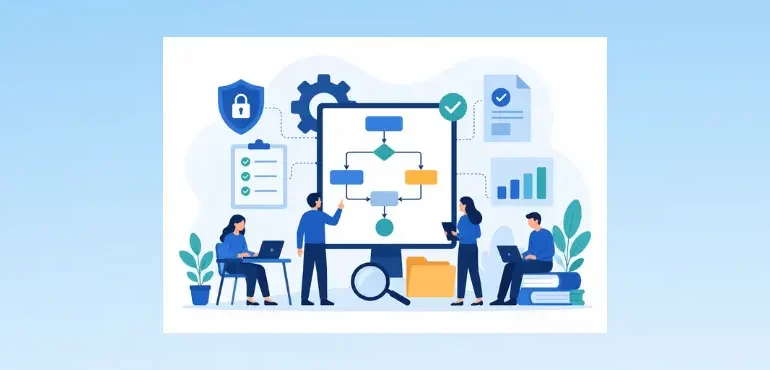
Workflow Governance Framework: How Enterprises Scale Automation Without Losing Control
Reading Time: 5 minutesA workflow governance framework is essential for enterprises that want to scale automation without losing control, visibility, or compliance. As organizations automate more business processes, governance becomes critical for maintaining consistency and accountability across workflows. Many organizations focus heavily on building automated workflows but spend far less time defining how those workflows should be governed.

Who Is a Citizen Developer? Role, Skills and How Businesses Empower Them in 2026
Reading Time: 11 minutesWho is a citizen developer? A citizen developer is a business user who creates applications using no-code or low-code tools without formal programming skills. They work in operations, HR, finance, marketing, procurement, and field services — and use visual drag-and-drop platforms to build workflow automations, data collection apps, and approval systems for their specific departmental needs.
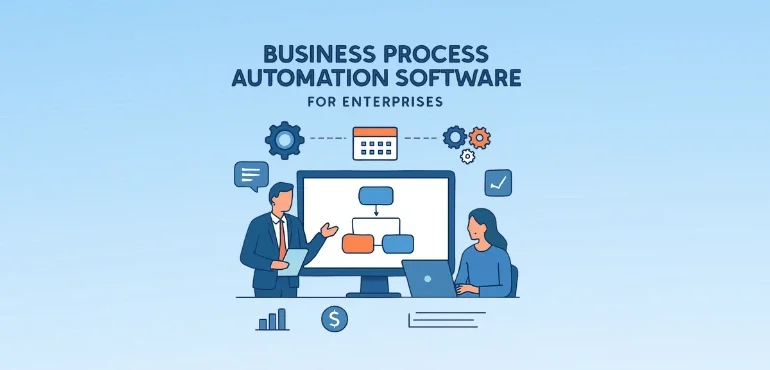
Best Business Process Automation Software for Enterprises: Features, Benefits, and Comparison Guide
Reading Time: 6 minutesEnterprise organizations depend on efficient and standardized processes to maintain operational excellence, improve productivity, and support sustainable growth. Business Process Automation Software for Enterprises enables organizations to automate repetitive workflows, streamline approvals, improve process visibility, and reduce manual effort across departments. By automating critical business operations, enterprises can enhance efficiency, strengthen compliance, and accelerate their
How Enterprises Automate Approval Workflows Using AI
Reading Time: 6 minutesEnterprise approval processes often slow down because of manual reviews, email-based coordination, and inconsistent decision-making. Enterprise workflow automation using AI helps organizations streamline approvals by automatically routing requests, analyzing data, prioritizing tasks, and triggering actions in real time. As enterprises scale operations, AI-driven approval workflows improve speed, accuracy, compliance, and operational efficiency across departments. Modern
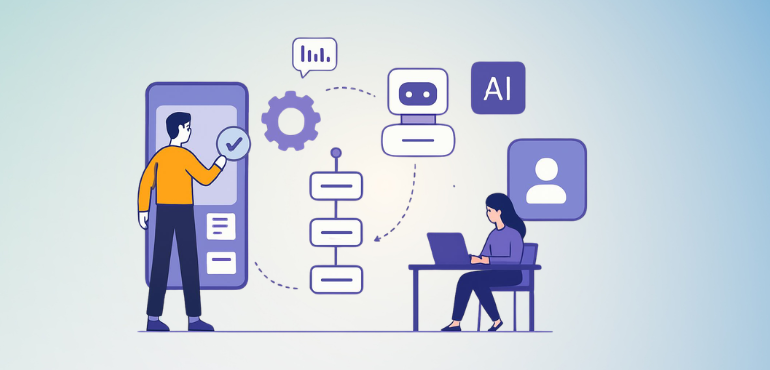
How US Enterprises Are Using AI Workflow Automation to Improve Operational Efficiency
Reading Time: 6 minutesUS enterprises are using AI-powered workflow automation software to eliminate manual bottlenecks, accelerate decision-making, and reduce operational costs. By integrating intelligent process automation into core business functions – from HR and finance to supply chain and compliance – organizations are achieving measurable efficiency gains, often cutting process cycle times by 40-70% within the first year
Recent Posts





- Download the App