
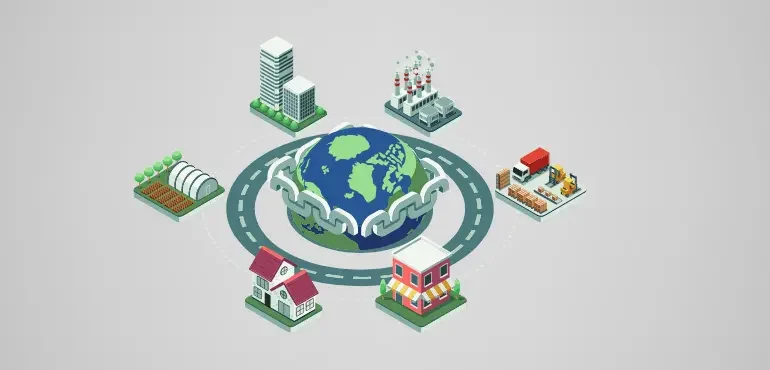
Supply Chain Automation: What It Is, Benefits & How to Start in 2026
Reading Time: 7 minutesThink about everything that has to go right for a single product to reach a customer. Someone forecasts demand. Someone raises a purchase order. A supplier confirms it. Goods arrive and get checked in. Stock levels update. An order gets picked, packed, and shipped. A dozen handoffs, across a dozen systems and teams — and
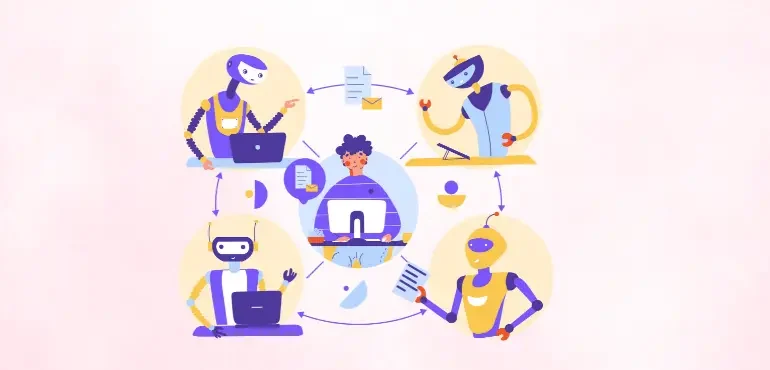
Process Automation Technology: What It Is and How It Actually Works
Reading Time: 7 minutesHere’s a question worth sitting with for a second: how much of your team’s week disappears into work that a computer could do without complaint? Copying data between systems. Chasing approvals over email. Rekeying the same invoice into three different tools. It rarely feels like “wasted time” in the moment, but it adds up to

No-Code Development in 2026 : The Complete Guide to Building Apps Faster | Quixy
Reading Time: 21 minutesNo code development is redefining how businesses and individuals build digital solutions. Once limited to developers with technical expertise, software creation is now accessible to professionals across departments—thanks to intuitive, drag-and-drop platforms that require no programming knowledge. This shift is empowering teams to move faster, innovate freely, and reduce dependency on overburdened IT departments. With

Top 10 Business Process Management Tools & Software 2026
Reading Time: 8 minutesThe right business process management tools should do three things: map how work actually happens, automate the repetitive parts of it, and give you visibility into where processes break down. This guide compares the top BPM tools and software on the market in 2026, what each is actually best for, and how to choose between them. According

AI & Digital Transformation in Healthcare 2026: 10 Impact Areas You Can’t Ignore
Reading Time: 9 minutesEvery day, hospitals and healthcare providers strive to deliver exceptional care. But in today’s rapidly evolving environment, is that truly enough? Rising patient expectations, mounting operational costs, and shifting regulatory requirements put immense pressure on healthcare organizations. These challenges demand more than traditional approaches — they call for innovation. Is Digital Transformation in Healthcare a

Learn How Process Automation Accelerates Digital Transformation
Reading Time: 7 minutesProcess automation accelerates digital transformation by connecting previously siloed departments into a single, real-time system — so when one team completes a task, the next team’s workflow starts automatically, without manual handoffs. Businesses that automate their core processes report faster decision-making, fewer errors, and significantly lower operating costs, making automation the practical engine behind most
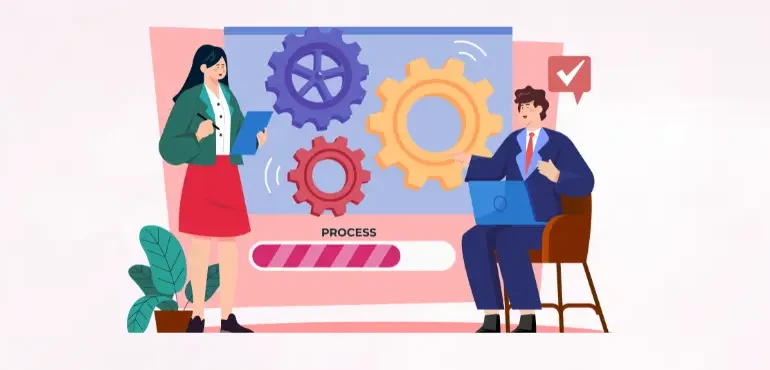
7 Internal Apps for Operations Managers You Can Build Without IT Tickets
Reading Time: 11 minutesThere’s a particular kind of frustration that most operations managers know well. Building internal apps for operations managers shouldn’t require a software development team — you need a simple tool to track vendor renewals, route a purchase approval, or let facility teams log maintenance issues without calling someone. But raising an IT ticket means joining

12 Proven Benefits of Citizen Development (With Real Examples)
Reading Time: 8 minutesThe benefits of citizen development include faster app delivery, reduced IT backlog, lower development costs, greater business agility, improved collaboration between IT and business teams, democratised innovation, and higher employee engagement. Organisations that empower citizen developers consistently report shorter time-to-market, stronger alignment between technology and business needs, and measurable gains in operational efficiency. The benefits

Who Is a Citizen Developer? Role, Skills and How Businesses Empower Them in 2026
Reading Time: 11 minutesWho is a citizen developer? A citizen developer is a business user who creates applications using no-code or low-code tools without formal programming skills. They work in operations, HR, finance, marketing, procurement, and field services — and use visual drag-and-drop platforms to build workflow automations, data collection apps, and approval systems for their specific departmental needs.

How to Automate a Workflow Without Coding: 6 Steps to Your First No-Code Workflow
Reading Time: 10 minutesTo learn how to automate a workflow without coding, you need to: identify and name the process, build data capture forms using drag-and-drop field controls, configure the workflow logic with sequential or conditional steps, set business rules and validation conditions, configure access permissions by role, and publish the app with one click. On a no-code platform
Recent Posts







- Download the App