
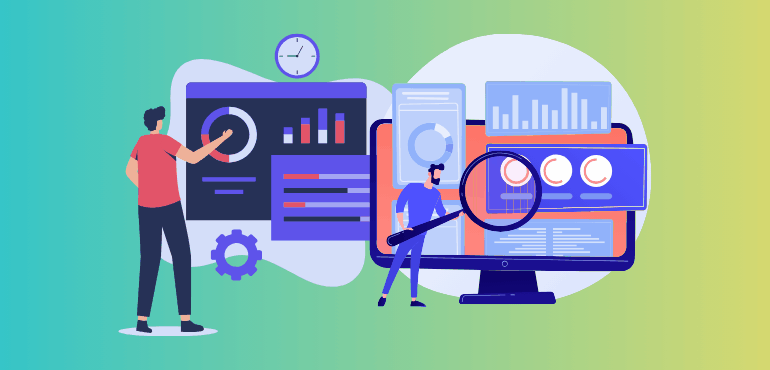
Mastering Digital Business Strategy: A Guide to LCNC Success
Reading Time: 8 minutesLet’s be honest – digital transformation sounds great in boardrooms. But you? You’re in the trenches. Between rising customer expectations, chaotic tech stacks, and a growing app backlog, digital chaos is becoming your daily reality. As a CEO, CIO, or business leader, you don’t need more buzzwords. You need results. And for that, you need
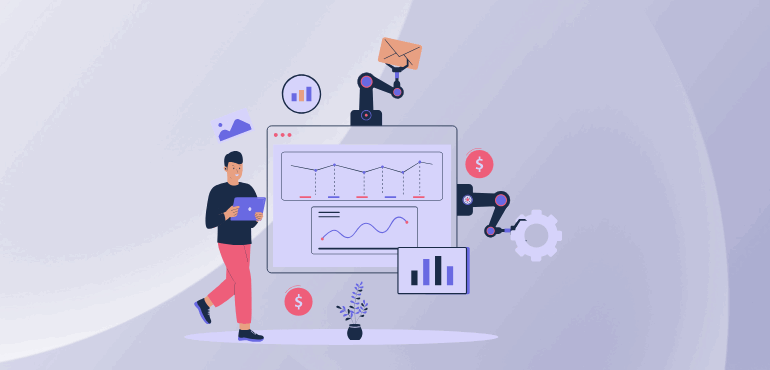
How to Execute an Application Development Strategy with LCNC Advantage?
Reading Time: 6 minutesHyperscalers and the IT services organization account for over 70% of their development spending,” said Gartner’s John Lovelock. And by 2028, over $1 trillion will be powering AI-optimized servers. That’s not random growth. It’s the result of a clear strategy: building smarter, faster applications to drive competitive advantage. And that’s exactly where business leaders and

Retail Automation 2.0: Your Ultimate Key to Thriving in the Future of Shopping
Reading Time: 10 minutesAs commerce continues to evolve at breakneck speed, the retail industry is undergoing a dramatic transformation powered by modern Gen-Z technology. At the core, this shift in retail automation is a game-changer in redefining how businesses operate, engage with customers, and streamline their supply chain operations. From AI in the retail industry to driving inventory management

Retail Digital Transformation for Scalable Growth and Smarter Operations in 2026
Reading Time: 13 minutesHave you noticed how drastically the retail experience has evolved over the past few years? Retail Digital Transformation is not just about adopting the latest technology —it’s about fundamentally rethinking how future business leaders should operate their businesses, stay competitive, and engage with customers in a digital-first world. Now, ask yourself – when was the last time

Get Better Data, Faster in 2026: Survey Software Built for Modern Teams
Reading Time: 12 minutes“Most survey software tools are made to serve everyone, which means they rarely serve you well.” After all, the COTS (Commercial Off-The-Shelf) survey software tools are packed with features that sound good, but they don’t solve all the problems you face every day. The result? Wasted time, incomplete data, and decisions that miss the mark.
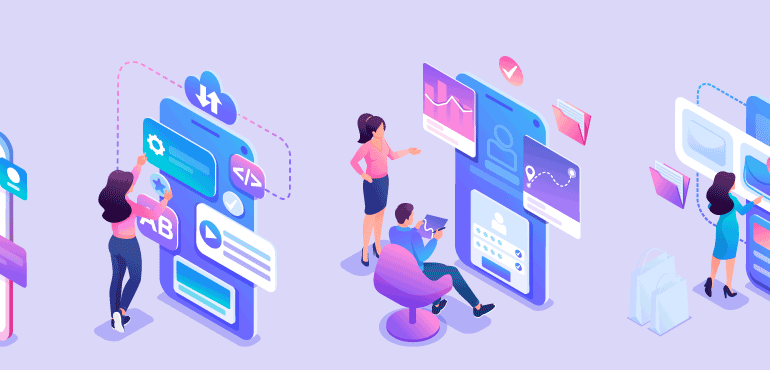
The Agile Enterprise of 2026 Starts with Citizen Development
Reading Time: 11 minutesIn 2026, agility won’t be just a competitive edge — it will be a survival strategy. Markets are shifting faster than ever, customer expectations are soaring, and traditional IT models are struggling to keep up. But there’s a quiet revolution happening inside forward-thinking organizations. Business users — once sidelined from software development — are now
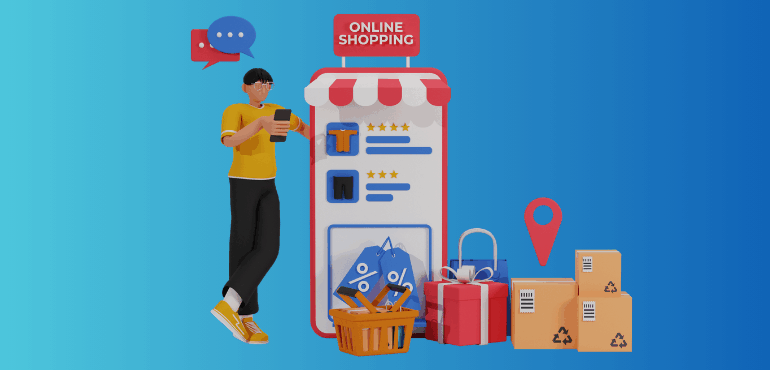
Retail Trends: Clear Evidence of the Industry’s Bold Transformation
Reading Time: 8 minutesWill Your Retail Business Still Matter Tomorrow? Whether you’re running a cozy corner shop or leading a global retail empire, one question keeps echoing louder than ever: Will your business still be relevant in the digital-first world? And what about those legacy systems silently holding you back? While you read this, retail trends is evolving—fast.
Why Choose Quixy as Your Form Automation Software?
Reading Time: 7 minutesDigital forms are here, and they are here to stay. While you must have seen and filled out paper-based employee onboarding forms, expense receipts, and compliance policies, this traditional approach has many challenges, not to forget its negative environmental impact. This is why any business must have a form automation process in place. Quixy is
Top 10 IT Modernization Benefits: Embracing Change for Modern Business Success
Reading Time: 8 minutesHave you ever wondered how businesses manage to keep up with the breakneck speed of today’s corporate landscape? In a world where competitiveness isn’t just a choice but a survival instinct, companies are in a perpetual race to stay ahead. The secret weapon in this relentless pursuit? IT modernization. Imagine a company that’s always evolving,

Conquering IT Modernization Challenges: Setting Sail for Success in 2026
Reading Time: 10 minutesThe heartbeat of every successful organization lies in its ability to harness the power of technology. From streamlining operations to delighting customers with personalized experiences, the role of information technology (IT) has never been more critical. However, as technology advances exponentially, many organizations find themselves grappling with the burden of outdated systems, legacy software, and
Recent Posts





- Download the App