
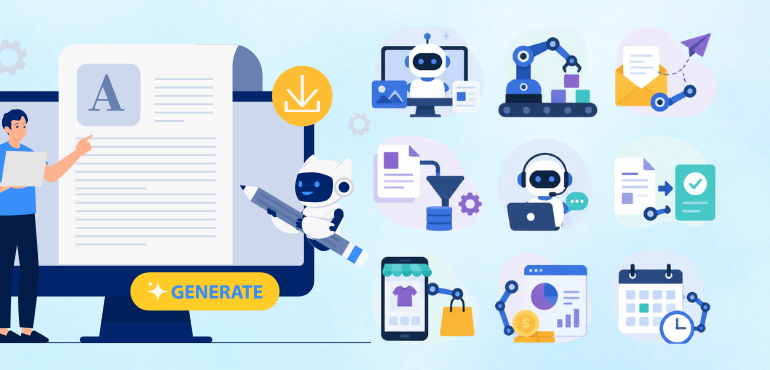
AI Automation Examples: 12 Real-World Use Cases Across Industries 2026
Reading Time: 5 minutesAI automation covers a wide range of everyday business tasks — far more than the headline-grabbing autonomous agents. Most of the value organizations capture today comes from applying AI to high-volume, repetitive work: reading documents, screening applications, routing requests, checking compliance. This guide walks through 12 practical AI automation examples, organized by business function, with

Custom Mobile App Development in 2026: A Comprehensive Guide -Trends & Best Practices
Reading Time: 13 minutesThe mobile app development market is set to skyrocket from $94.4 billion to $399.8 billion by 2032, growing at an impressive 22.9% CAGR. Businesses today face the challenge of meeting evolving customer expectations in a highly competitive digital landscape. Mobile apps offer a robust solution by enhancing user engagement, streamlining processes, and driving growth. However,

Workflow Optimization: Strategies, Examples, and How to Optimize Your Workflows
Reading Time: 10 minutesWorkflow optimization is the practice of redesigning how a series of tasks flows from start to finish so it runs with fewer delays, less manual effort, and fewer errors — usually by removing bottlenecks, standardizing steps, and automating repetitive work. Unlike one-off fixes, it treats a workflow as a system: you map it, measure it, redesign
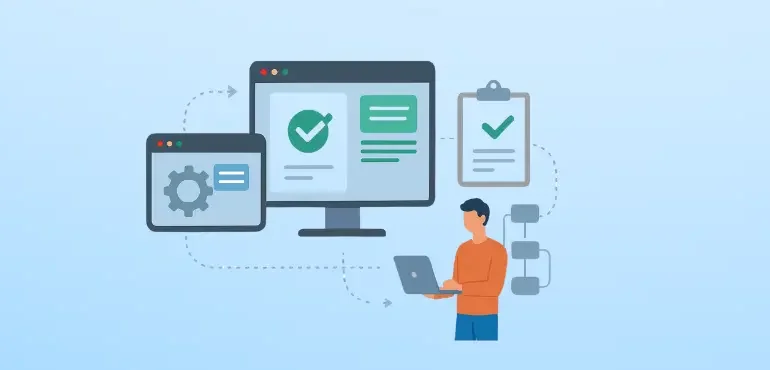
How Enterprises Automate Approval Workflows Using AI for Faster Approvals
Reading Time: 6 minutesEnterprise approval processes often slow down because of manual reviews, email-based coordination, and inconsistent decision-making. AI Approval Workflows using AI helps organizations streamline approvals by automatically routing requests, analyzing data, prioritizing tasks, and triggering actions in real time. As enterprises scale operations, AI-driven approval workflows improve speed, accuracy, compliance, and operational efficiency across departments. Modern
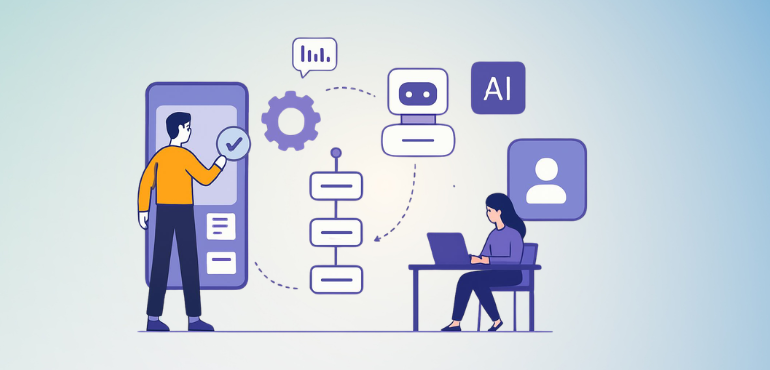
How Enterprises Are Using AI Workflow Automation to Improve Operational Efficiency
Reading Time: 9 minutesUS enterprises are using AI-powered workflow automation software to eliminate manual bottlenecks, accelerate decision-making, and reduce operational costs. By integrating intelligent process automation into core business functions – from HR and finance to supply chain and compliance – organizations are achieving measurable efficiency gains, often cutting process cycle times by 40-70% within the first year

Top 12 Workflow Automation Software for Enterprises (2026 Guide)
Reading Time: 13 minutesDid you know? Over 80% of businesses are planning to boost their spending on automation technologies in the near future. But what is workflow automation software? It’s a tool that automates manual, repetitive tasks and streamlines business processes—eliminating bottlenecks and inefficiencies. That’s why businesses rely on it to boost productivity. But a customized workflow automation

Supply Chain Automation: What It Is, Benefits & How to Start in 2026
Reading Time: 7 minutesThink about everything that has to go right for a single product to reach a customer. Someone forecasts demand. Someone raises a purchase order. A supplier confirms it. Goods arrive and get checked in. Stock levels update. An order gets picked, packed, and shipped. A dozen handoffs, across a dozen systems and teams — and
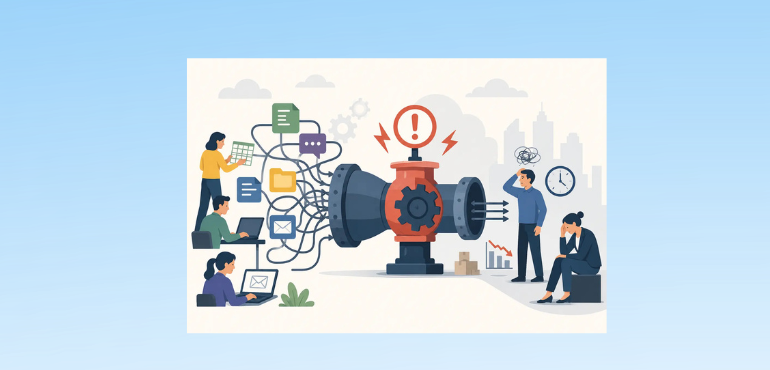
When Workflow Tools Become Operational Bottlenecks: 9 Warning Signs for Enterprises
Reading Time: 9 minutesWorkflow tools become operational bottlenecks when they can no longer adapt to evolving business processes, governance requirements, and cross-functional collaboration needs. Common warning signs include increasing manual workarounds, delayed approvals, fragmented data, poor visibility, rising compliance risks, and growing dependence on IT teams for routine process changes. For enterprises, workflow inefficiencies rarely appear overnight. They
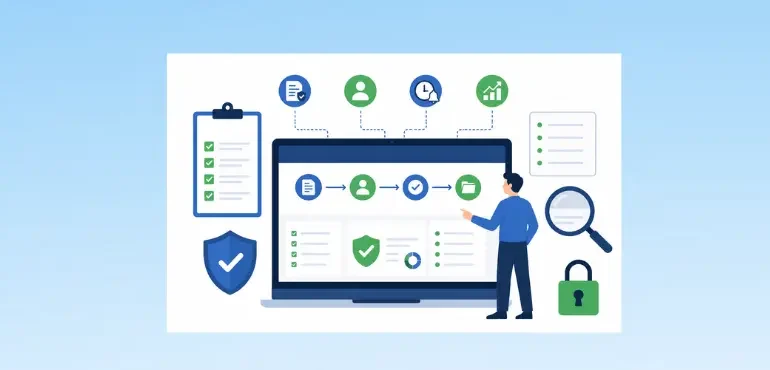
Workflow Compliance Management: 7 Essential Steps to Audit-Ready Processes
Reading Time: 7 minutesWorkflow Compliance is no longer a periodic activity performed only during audits. Modern organizations operate in an environment where regulatory requirements, internal policies, industry standards, and risk management obligations demand continuous oversight. As businesses grow, managing compliance through spreadsheets, emails, and manual checklists becomes increasingly difficult, creating operational inefficiencies and compliance risks. Organizations today face
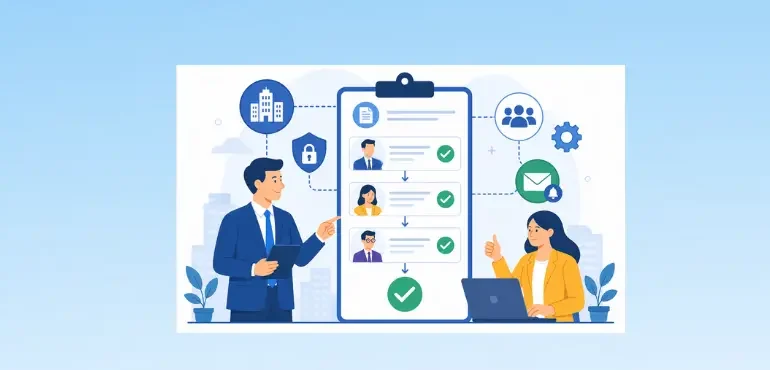
Enterprise Approval Workflow Design: Best Practices for Faster Decision-Making
Reading Time: 18 minutesEvery enterprise depends on approvals to maintain control, manage risk, and ensure accountability across business operations. Whether it involves budget requests, procurement approvals, vendor onboarding, contract reviews, policy exceptions, or resource allocation, approvals play a critical role in keeping business processes organized and compliant. However, many organizations struggle with slow approvals, unclear ownership, fragmented communication,
Recent Posts



- Download the App