
Top 10 No-Code Platforms for Resource Management System in 2026
Reading Time: 16 minutesOff-the-shelf resource management software offers a readily available solution — but one that is frequently over-engineered for needs you do not have and under-configured for the processes that actually matter to your organisation. You pay for features you will never use while working around the limitations of features that do not quite match your resource

Employee Training Management Software: 8 Key Features, Proven Benefits and How to Choose in 2026
Reading Time: 13 minutesEmployee training management software (TMS) is a digital platform that manages the complete training lifecycle — from capturing training requirements and scheduling programmes to tracking attendance, collecting feedback, measuring effectiveness, and generating compliance reports — in one centralised system, without manual coordination at each stage. A Deloitte survey of young professionals found that the “opportunity

Human Resource Management System (HRMS): The Complete 2026 Guide to Features, Functions and Implementation
Reading Time: 11 minutesAn HRMS (Human Resource Management System) is a software platform that integrates and automates core HR functions — including employee records, payroll, attendance, leave management, recruitment, performance, training, and compliance — into a single centralised system. It eliminates manual HR administration and gives HR teams, managers, and employees real-time access to people data and self-service

What Is Customised Workflow Management Software? Benefits & Key Features Explained
Reading Time: 7 minutesWhat is Customised Workflow Management Software? A purpose-built system designed around a specific organisation’s unique business processes, approval structures, team hierarchies, and operational requirements — rather than forcing teams to adapt to a vendor’s predefined template. Unlike standard off-the-shelf workflow tools, a customised solution lets enterprises define exactly how tasks flow, who approves what, what

Build Your Own Inventory Management App — No Code Required
Reading Time: 9 minutesEvery business reaches a breaking point with generic inventory tools. You either grow out of them, find they don’t fit your processes, or spend half your day switching between three different platforms just to get a clear picture of your stock. There’s a better way. What if you could build an inventory management app that
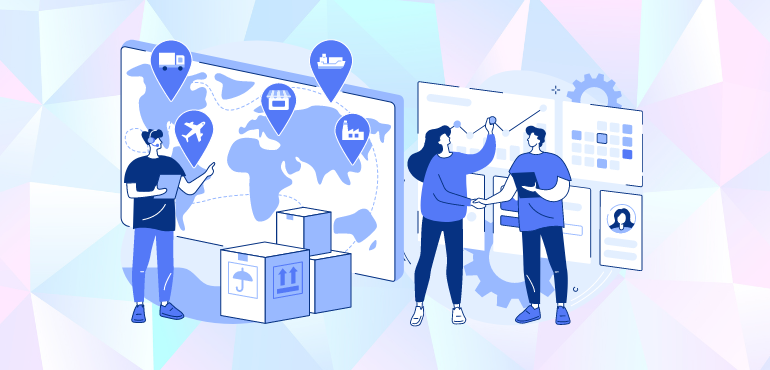
Inventory Management Software System 101 : The Key to Supply Chain Success
Reading Time: 7 minutesRunning a business without the right inventory controls is like driving without a dashboard — you won’t know something’s wrong until it’s already a problem. Stockouts frustrate customers. Overstocking locks up cash. Manual spreadsheets create errors that snowball into bigger issues. That’s where an inventory management software system changes the game. It gives business owners

15 Best Team Collaboration Software Tools in 2026: Reviews, Pricing & Comparison
Reading Time: 14 minutesTeams today lose an average of 58% of their workday to coordination work rather than skilled tasks, according to Asana’s Anatomy of Work report. The right team collaboration software doesn’t just fix that — it transforms how your organisation operates. But with hundreds of platforms claiming to do everything, choosing the wrong one costs you

Collaborative Work Management: Strategy, Tools & Framework
Reading Time: 9 minutesKnowledge workers switch between an average of 10 applications per day. Two-thirds switch between different apps every working hour. Companies run an average of 106 SaaS tools simultaneously (McKinsey). The result: work fragments, context gets lost, and the overhead of coordination starts to rival the work itself. Collaborative work management exists to solve this. Not

Employee Management App: 10 Must-Have Features for Better HR Efficiency
Reading Time: 11 minutesManaging employees has always involved a mountain of administrative work: tracking attendance, managing leave requests, running performance cycles, coordinating onboarding, and maintaining compliance documentation. For most organizations, this work happens across a combination of spreadsheets, email, forms, and disconnected systems — which means it happens slowly, inconsistently, and with a high risk of error. An

Remote Workforce Management: Smart Strategies for Scaling Remote Teams Successfully
Reading Time: 12 minutesManaging a remote workforce is not a scaled-up version of managing people in an office. The visual cues are gone. Informal hallway conversations disappear. Assumptions about “who’s working” become unreliable. The managers who thrive in distributed environments don’t replicate the office remotely — they build entirely new operating systems for their teams. This guide gives
Recent Posts




- Download the App