
Quixy vs Appian
A practical comparison for no-code workflow automation and enterprise process orchestration
A Quixy vs Appian comparison should focus on platform fit, not just feature lists. Quixy may be a strong fit for teams looking for no-code workflow automation, business process automation, AI-assisted app building, and integration flexibility. Appian may be worth evaluating for enterprise process orchestration, AI process automation, low-code application development, data fabric, process intelligence, RPA, and large-scale enterprise operations.
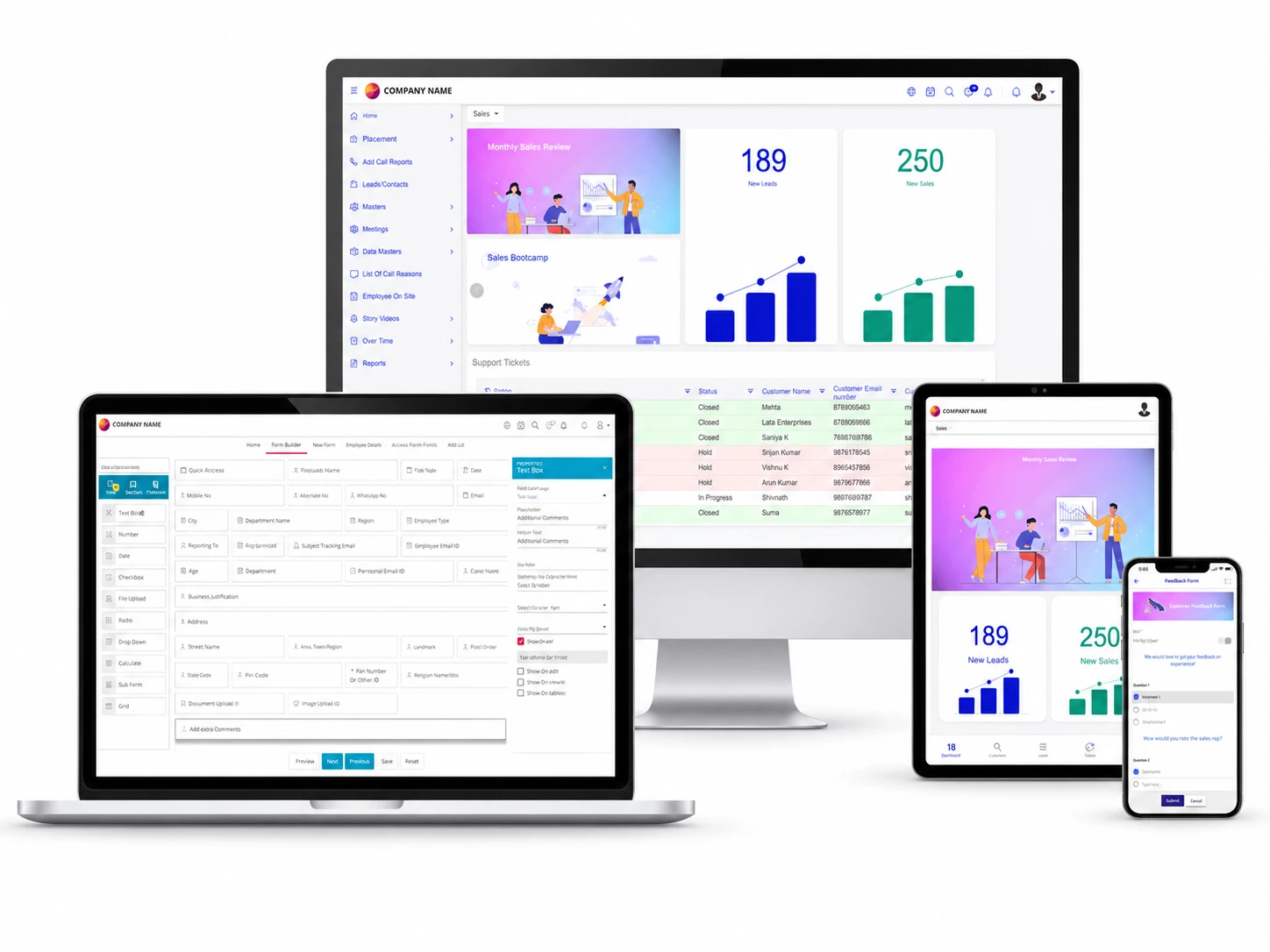
Compare Platform Fit, Not Just Feature Lists
A useful Quixy vs Appian comparison should focus on how each platform fits your workflows, users, process complexity, governance needs, integrations, and long-term automation strategy rather than comparing every small feature that may change over time.

Workflow-first evaluation
Start with the business process you need to automate, including approvals, routing, handoffs, exceptions, and reporting needs to streamline operations.

Verified platform strengths
Focus on documented platform capabilities such as workflow automation, no-code app building, AI-assisted automation, low-code development, and governance.

Balanced comparison
Understand where Quixy may fit well while still evaluating Appian fairly for enterprise process orchestration, AI process automation, RPA, and data fabric use cases.
Why Quixy May Be a Strong Alternative
Quixy positions itself as an AI-powered no-code business process automation platform. It may be especially relevant for organizations that want to automate workflows, build internal applications, and improve business processes with a business-user-friendly no-code approach.

Workflow-led automation
Quixy is worth evaluating for teams that need workflow-led automation across approvals, routing, notifications, and step-based business processes.

No-code app building
Quixy’s no-code app development positioning is relevant when business users need to create and manage internal applications with reduced development dependency.

AI-powered platform
Quixy publicly positions AI as part of its no-code business process automation platform, making it relevant for teams evaluating AI-supported workflow and app-building use cases.

Low-code flexibility
Quixy supports no-code application development with low-code capabilities, making it relevant when business-led automation still needs integrations, customization, and IT oversight.
When to Evaluate Each Platform
Quixy and Appian can both support business process improvement and digital transformation, but they may fit different operating models. Use this section to understand when Quixy may be a strong fit and when Appian may also be worth evaluating.
Quixy may be a strong fit when
✓ Your priority is enterprise process orchestration and automation.
✓ You need low-code application development for complex enterprise processes.
✓ Your organization needs data fabric, process intelligence, or process modeling.
✓ You want to evaluate AI, AI agents, RPA, and API integrations in one process platform.
✓ Your use case involves large-scale enterprise operations, governance, and modernization.
Appian may be a strong fit when
✓ Your priority is enterprise process orchestration and automation.
✓ You need low-code application development for complex enterprise processes.
✓ Your organization needs data fabric, process intelligence, or process modeling.
✓ You want to evaluate AI, AI agents, RPA, and API integrations in one process platform.
✓ Your use case involves large-scale enterprise operations, governance, and modernization.
Use This Framework During Vendor Demos
| Buyer Priority | Why Quixy Is Worth Evaluating | Demo Question to Ask |
|---|
| Workflow-heavy business processes | Quixy is worth evaluating for teams that need workflow-led automation across approvals, routing, notifications, and step-based business processes. | Can you demonstrate how an approval workflow is built, including routing, exceptions, escalations, and role-based access? |
| Business-user app building | Quixy’s no-code app development positioning is relevant when business users need to create and manage internal workflow applications with reduced development dependency. | How quickly can a non-technical user build and update an app with forms, workflows, reports, permissions, and mobile access? |
| AI-assisted process improvement | Quixy publicly positions AI as part of its no-code business process automation platform, making it relevant for buyers evaluating AI-supported workflow and app-building use cases. | Which AI capabilities are available in the platform, how are they used in daily workflows, and how can outputs be reviewed or controlled? |
| Integrations and governance | Quixy supports low-code flexibility with APIs, databases, and third-party integrations, which is important when business-led automation still needs IT oversight. | Which integrations are native, which require APIs, and how are user roles, audit logs, data controls, and security policies managed? |
Quixy trusted by businesses across industries


What Quixy Customers Say




FREQUENTLY ASKED QUESTIONS
1. Is Quixy an Appian alternative?
Yes. Quixy can be evaluated as an Appian alternative for organizations comparing no-code app development, workflow automation, business process automation, AI-assisted operations, integrations, and governance.
2. Which is better: Quixy or Appian?
The better choice depends on the use case. Quixy may be a strong fit for workflow-led no-code automation and business-user app building. Appian may be worth evaluating for enterprise process orchestration, AI process automation, low-code development, data fabric, process intelligence, RPA, and large-scale enterprise operations.
3. What should buyers compare before choosing?
Buyers should compare workflow design, app-building approach, user roles, AI capabilities, integrations, data access, process intelligence, governance, pricing model, scalability, and long-term maintainability.
4. Is Quixy suitable for workflow automation?
Yes. Quixy is suitable for teams evaluating workflow-led automation for approvals, routing, notifications, and step-based business processes. Buyers should test it against one real workflow during a demo to confirm fit.
5. How should AI capabilities be compared?
AI capabilities should be verified during a live vendor demo because AI features, availability, packaging, and usage terms can change over time. Buyers should ask which AI features are included, how they support daily workflows, how outputs are reviewed, and how business data is handled



Are you ready to transform how your business operates?




- Download the App